
Introduction
When someone starts building a house for the first time, the site rarely feels stressful. It feels hopeful.
There are drawings in hand. Dates are discussed confidently. Family members walk through half-built spaces and imagine future rooms. Contractors talk about phases as if everything is already under control.
At that point, delays seem unlikely. But construction does not follow enthusiasm. It follows coordination.
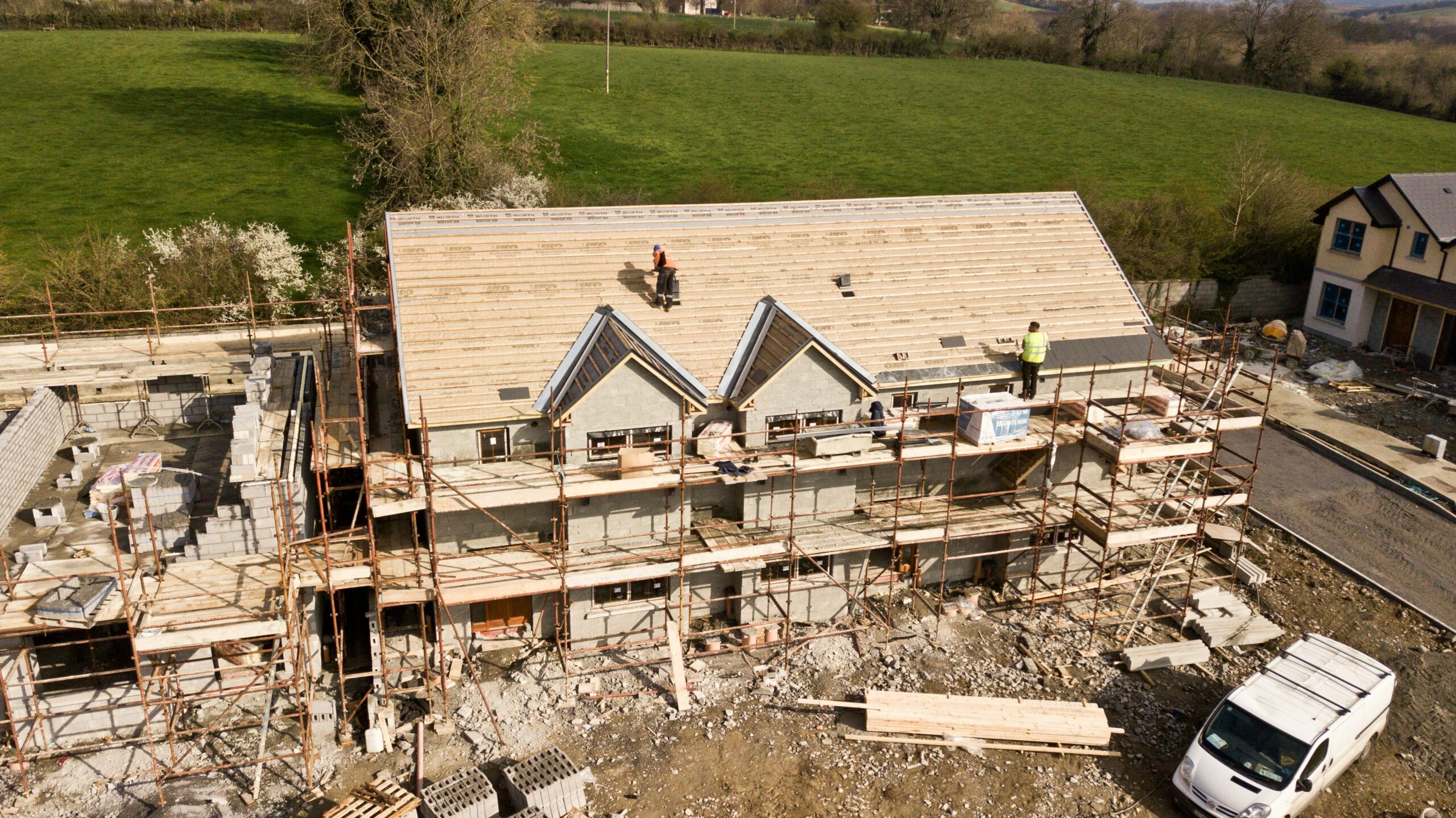
And coordination is fragile. I have been on residential sites where everything looked active, workers moving, materials stacked, machines running, yet the schedule was already slipping. Not because of a disaster. Not because of a collapse. Simply because small things were no longer aligning properly.
Most delays begin that way. Quietly.
Planning That Looks Complete But Isn’t
On paper, many projects appear fully prepared. But once construction begins, missing decisions start surfacing. Electrical layouts are unclear. Bathroom fixtures are not finalized. Tile sizes are undecided. Ceiling details remain vague.
Work pauses. Discussions restart. Measurements get revised.
I once watched masons stand idle for half a day because a wall alignment needed clarification from the architect. The delay seemed minor. But that half-day pushed the plaster team back, which then shifted the finishing schedule.
Construction does not forgive uncertainty. If decisions are incomplete before work starts, time will be spent completing them later — usually at a higher cost.
The Illusion of Material Availability
Many homeowners assume materials will always arrive when needed. Sometimes they do. Sometimes they don’t.
A delayed steel delivery can postpone slab casting. A missing plumbing fitting can pause bathroom work. Imported tiles that arrive one week late can freeze finishing progress.
I remember a site where the sand supply was delayed due to transport restrictions. The delay was only three days, but labor had already been arranged. Paying idle workers added cost, and rescheduling them created further gaps.
Materials do not just support construction. They control its tempo.
Labor Movement Nobody Anticipates
Labor is not fixed. It moves.
Skilled workers often work on multiple projects. If another site offers better rates or faster payment, teams shift.
When that happens, replacement workers need time to understand drawings and adjust to the workflow. Productivity drops not dramatically, but noticeably.
On one house project, the original tile installer left midway. The new team worked carefully but slower. That single change extended finishing by almost three weeks.
Continuity matters more than speed.
Weather: The Silent Disruptor
Rain does not just stop work for a day. It affects curing cycles. Weakens excavation edges. It delays plaster drying. It slows paint application.
And once moisture enters the site, the recovery period extends beyond the rainfall itself.
A slab postponed due to rain may push every following task forward. Construction is sequential one shift affects the entire chain.
Weather delays rarely look dramatic. But they accumulate.
Design Changes That Seem Harmless
This is perhaps the most underestimated cause of delay.
Homeowners see physical progress and suddenly feel inspired.
“Let’s extend this wall.”
“Shift that window slightly.”
“Add a skylight.”
The change sounds small. The impact is not.
A minor structural adjustment can affect reinforcement layout, electrical routing, and finishing levels. Demolition and rework consume time quickly.
I once saw a completed ceiling dismantled because the lighting layout felt “too simple.” The correction took longer than the original installation.
Design changes during construction almost always stretch timelines.
Financial Rhythm and Work Speed
Construction runs on momentum.
If payments slow down even briefly work pace reduces. Contractors prioritize other active sites. Suppliers hesitate. Subcontractors delay arrival.
It is rarely intentional. It is practical.
I have seen projects where a two-week payment pause created a month-long recovery period.
Financial planning does not just affect cost. It affects completion.
Coordination Gaps Between Teams
Residential construction involves multiple trades:
Masonry. Plumbing. Electrical. Carpentry. Tiling. Painting.
If one finishes late, the next cannot begin.
I have stood on sites where ten workers were present yet progress felt slow because teams were waiting on each other.
Electricians cannot finish if plaster is incomplete. Painters cannot start if carpentry remains unfinished.
Construction is not just about activity. It is about sequence.
How Delays Actually Grow
Most homeowners expect delays to look dramatic.
In reality, they look ordinary.
A material arrives late.
A worker is absent.
A design decision is postponed.
A rainstorm interrupts curing.
Individually manageable.
Together disruptive.
Completion dates do not suddenly collapse. They drift.
And by the time that drift becomes obvious, weeks have already passed.
What Reduces Delay Risk
From what I have observed across different residential projects, a few practices consistently make a difference:
Finalize every major decision before starting.
Avoid emotional design changes once work begins.
Lock key suppliers early.
Maintain steady payment cycles.
Visit the site regularly not to control, but to observe.
Most importantly, accept that construction is dynamic. The goal is not perfection. The goal is controlled progress.
Conclusion
House construction delays rarely begin with failure.
They begin with misalignment.
Small gaps in planning. Slight interruptions in supply. Minor coordination weaknesses. Subtle financial pauses.
Each one feels manageable.
But construction moves forward only when everything moves together.
Understanding this changes expectations. It shifts focus from blaming a single cause to managing the system as a whole.
Because in residential construction, time is not lost in one moment.
It is lost in small moments that go unnoticed.
Also Read: Safety Measures Every Construction Site Should Follow.