Introduction
The first time you visit a construction site, everything feels quite straightforward. There is a plan. There is a timeline. People talk with confidence about when the structure will be completed and when the finishing will begin. From the outside, it all looks organized, almost predictable.
But that impression doesn’t last long. After spending time on a few small residential construction sites, I started noticing that real construction rarely follows the same smooth path people imagine at the beginning. Things don’t collapse suddenly. Instead, small gaps begin to appear quietly, almost unnoticed. And over time, those small gaps start shaping the entire project.
1. Things Look Planned, But Execution Tells a Different Story
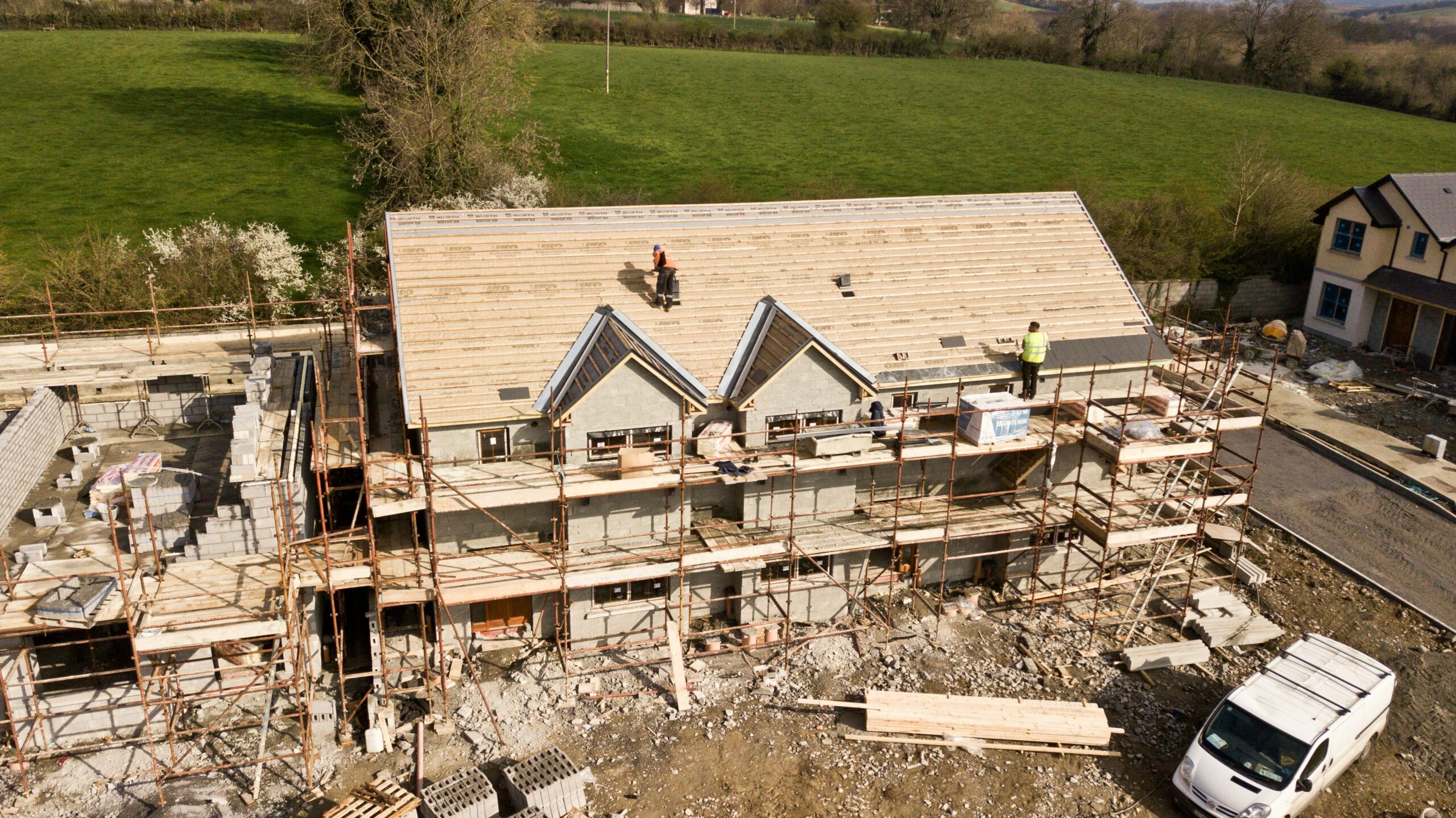
Most projects begin with clear discussions. Drawings are ready, material lists are discussed, and everyone feels prepared. But once work actually begins, the situation shifts. On one site I visited, everything seemed planned properly. Yet within a few days, work started slowing down because materials were not arriving on time. No major mistake, just poor coordination. It made me realize that planning is not just about having a design. It is about how well that plan is followed when real work starts.
2. Delays Don’t Start Big, They Grow Slowly
People usually expect delays to come from major problems. In reality, that is rarely the case.
From what I have seen, delays often begin with very small issues:
- A delivery arriving late
- A worker missing a day
- A small change in design
Individually, these don’t feel serious. But when they start stacking up, the timeline begins to stretch. I remember one project where no single issue seemed critical, yet the completion kept moving further away week by week.
3. Presence on Site Changes Everything
One pattern became very clear across different sites supervision matters more than people think. On sites where someone responsible was regularly present, work stayed more organized. Mistakes were corrected early. Workers stayed focused. On the other hand, where visits were occasional, the difference showed quickly. Work slowed down, small errors increased, and coordination became weaker. It wasn’t about strict control just consistent presence.
4. Work Follows Habit, Not Always Instruction
Even when instructions are clearly given, they are not always followed exactly. Workers tend to rely on what they are used to doing. That becomes their default approach. On one site, a specific method was explained for a small detail, but the team continued with their usual way until someone pointed it out again. It showed that giving instructions once is not enough. You have to check if they are actually being followed.
5. Small Decisions Have Long-Term Effects
Some decisions don’t look important at the time they are made. Things like minor layout adjustments, material choices, or timing decisions may seem simple in the moment. But later, they start affecting multiple parts of the project. I saw one case where a small early decision created alignment issues later. Fixing it required extra work across different stages. That’s when it becomes clear that early decisions carry more weight than they appear to.
6. Rushing Work Often Backfires
There is always pressure to move fast. Whether it is to save time or reduce , people often try to speed things up. But construction does not respond well to rushing. On a few sites, I saw work being done faster than it should have been. At first, it looked efficient. Later, corrections were needed, and those corrections took more time than doing it properly in the first place. It’s one of those things that only becomes obvious after seeing it happen.
7. Good Work Is Quiet, But Its Absence Is Loud
One thing I didn’t expect was how unnoticed good work goes. When things are done properly, curing, measurements, and alignment, nothing stands out. Everything just looks normal. But when those things are ignored, problems appear later. It changes how you look at construction. You start appreciating the parts that don’t get attention but hold everything together.
8. Communication Gaps Are More Common Than Expected
Construction involves multiple people, and information doesn’t always flow smoothly between them. Sometimes instructions are incomplete. They are misunderstood. Sometimes they are not passed along at all. From what I have seen, many on-site issues are not technical they come from simple communication gaps. Clear and repeated communication makes a noticeable difference.
9. Experience Shows in Small Details
You can usually tell the difference when experienced people are involved. They don’t just follow instructions, they anticipate problems. They notice small things early. On sites with experienced supervision, work feels more controlled. On others, the same issues take longer to recognize and fix. Experience doesn’t remove problems completely, but it reduces how often they happen.
Practical Takeaways
After visiting different sites, a few simple lessons became clear:
- Planning alone is not enough execution matters more
- Small delays should not be ignored
- Regular site visits help more than expected
- Early decisions should be made carefully
- Rushing work often creates extra problems later
None of these are complicated ideas, but they are easy to overlook.
Conclusion
Construction, especially on small residential sites, is not as predictable as it appears in the beginning. From what I have seen, projects don’t usually fail because of one major mistake. They drift off track because of small issues that slowly build up. At the same time, good results also come from simple things consistency, attention, and involvement. Understanding these patterns changes how you see construction. It becomes less about theory and more about what actually happens on the ground.
Disclaimer
This article is based on general observations from small construction sites. Actual practices may vary depending on project conditions and professional guidance.
Also Read: Importance of Proper Foundation in House Construction.