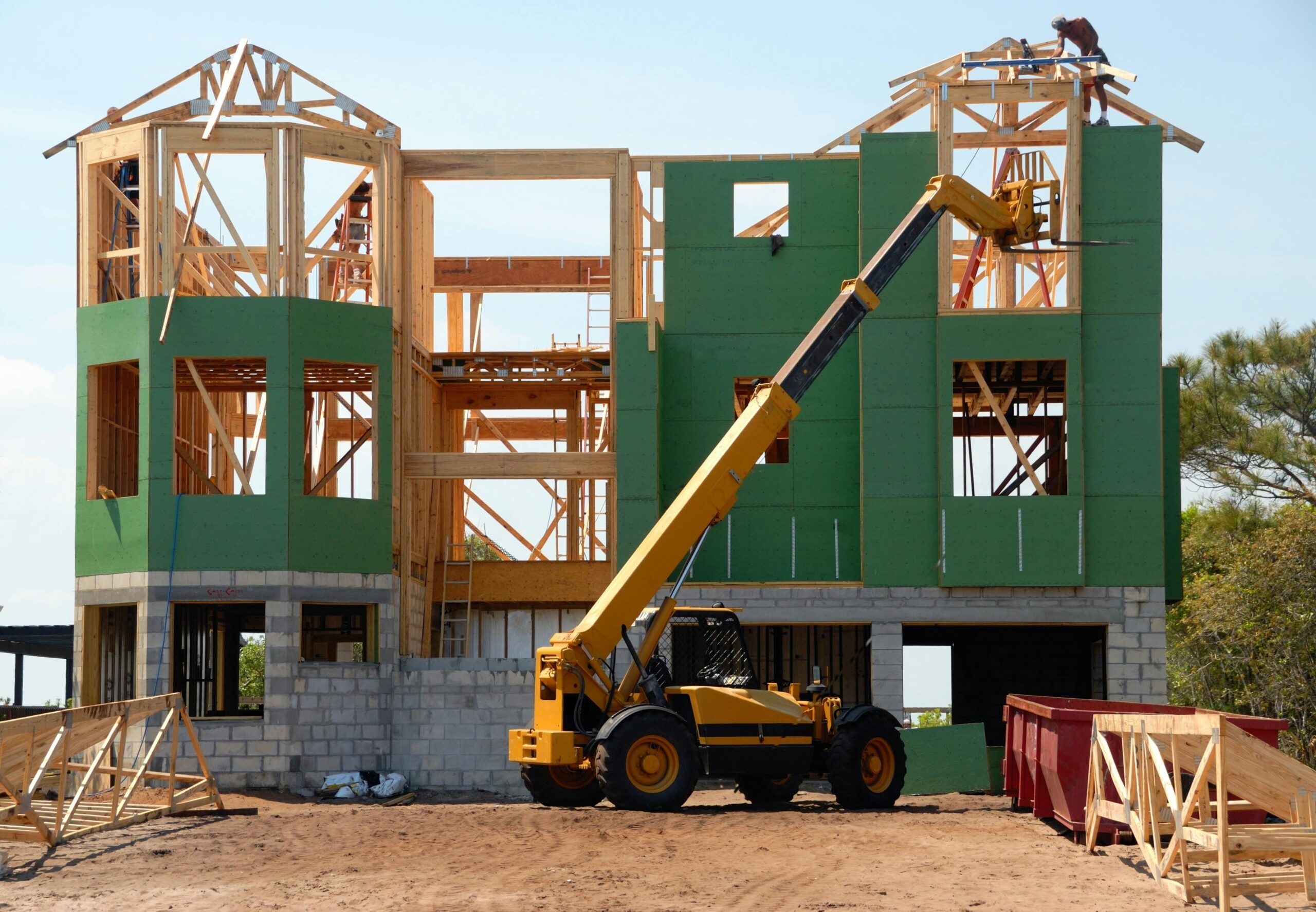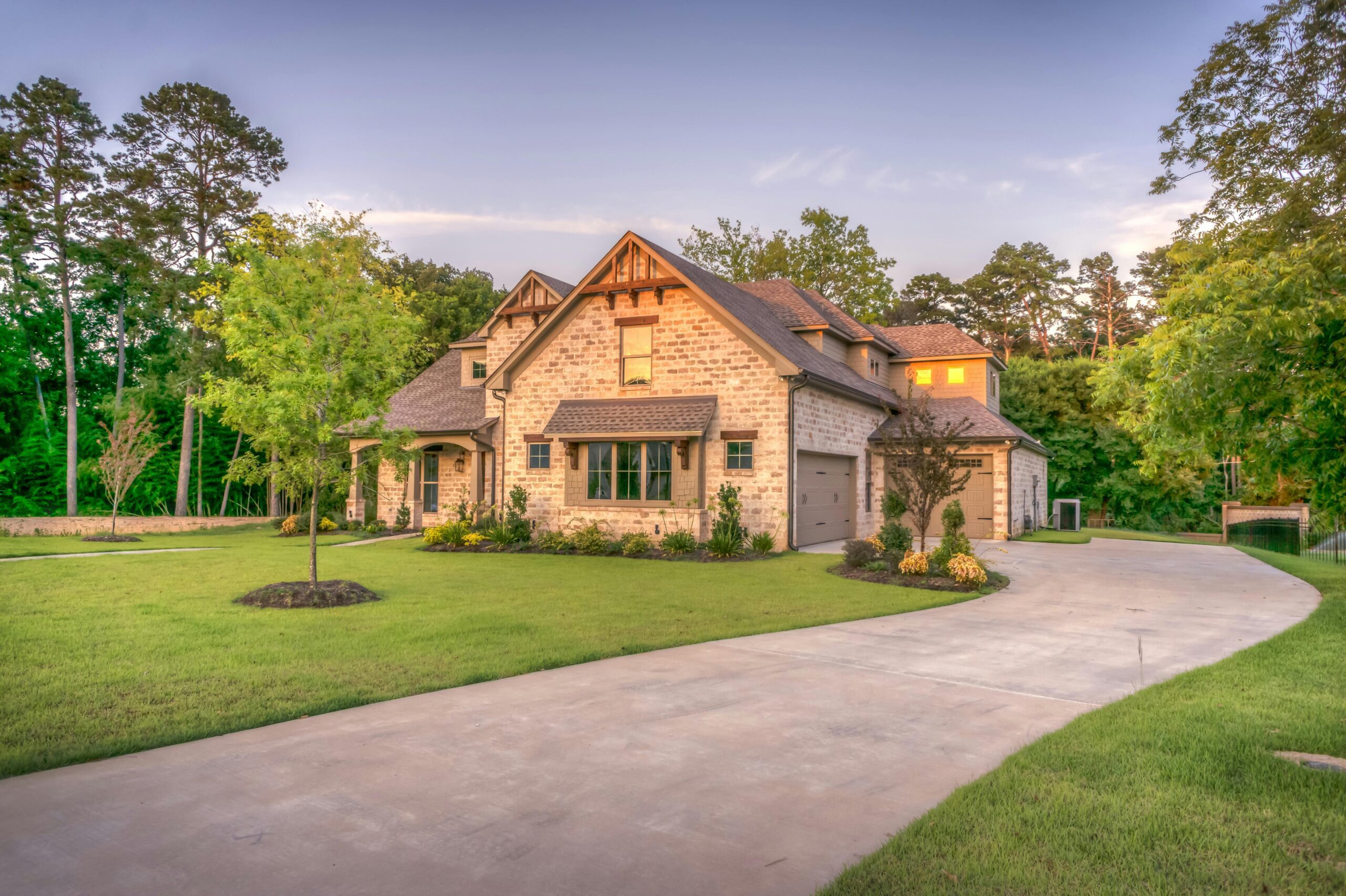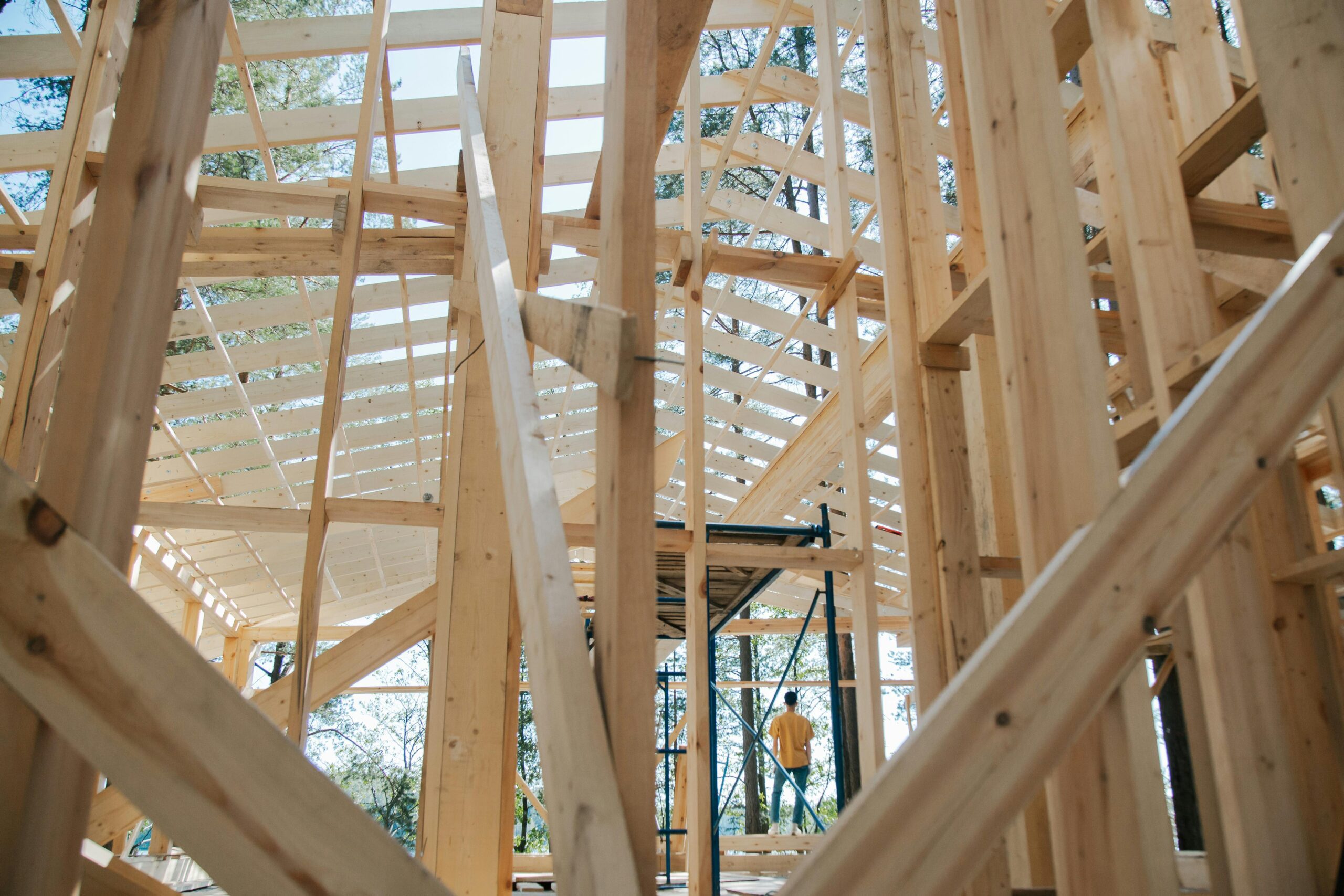
When I started building my own house, eco-friendly sounded like a buzzword people used to justify expensive materials. But once construction actually began and I saw my electricity bills, indoor temperature, and long-term maintenance costs the idea became very real, very fast.
This article isn’t theory. It’s based on materials I’ve used, rejected, replaced, or wished I had chosen earlier. If you’re planning a house, renovation, or even a small extension, these eco-friendly building materials can save you money, reduce waste, and make your home more comfortable in everyday life.
Why Eco-Friendly Materials Matter in Real Life
Eco-friendly building materials aren’t just about saving the planet. In practical terms, they help with:
- Lower energy bills
- Better indoor air quality
- Less heat gain in summer
- Reduced long-term maintenance
- Higher resale value
When I switched insulation and wall finishes mid-project, the difference in indoor temperature alone justified the cost.
Bamboo: Stronger Than It Looks
Why I Used It
I originally planned hardwood flooring. Then a contractor suggested bamboo. I was skeptical until I saw installed homes that were 5–7 years old.
Practical Benefits
- Grows fast (renewable)
- Harder than many hardwoods
- Handles humidity better
- Looks modern without being flashy
Real Tip
Use bamboo for flooring, wall panels, or stair treads, but avoid cheap laminated bamboo. Always ask for strand-woven bamboo it lasts much longer.
Recycled Steel: Hidden Hero of Modern Homes
Steel doesn’t look green, but recycled steel framing changed how I think about construction.
Why It Works
- Extremely durable
- Termite-proof
- Precision-made (less site waste)
- Fully recyclable
Where It Shines
- Roof framing
- Structural beams
- Staircases
Rammed Earth: Old Technique, Modern Comfort
I didn’t use rammed earth myself, but I visited a friend’s house built with it and honestly, it felt different.
What Stands Out
- Incredible thermal mass
- Naturally regulates temperature
- Minimal chemical use
- Almost zero maintenance
Downside to Know
It requires skilled labor. If done poorly, cracks can appear. This is not a DIY experiment material.
Cork: The Underrated Insulation Material
Cork surprised me the most.
Where I Used It
- Under flooring
- Wall insulation in bedrooms
Benefits You Feel Daily
- Natural soundproofing
- Warm underfoot
- Resistant to mold
- Renewable material
Real-Life Tip
Cork is excellent for upper floors or apartments where noise reduction matters. It pairs well with floating floors.
Reclaimed Wood: Character with Responsibility
Reclaimed wood was my compromise between aesthetics and sustainability.
Why It’s Worth Considering
- No new trees cut
- Unique textures and history
- Stronger than fresh wood (already aged)
Practical Advice
Use reclaimed wood for:
- Doors
- Feature walls
- Shelving
- Furniture accents
Always inspect for nails and termites before installation.
Low-VOC Paints: Small Choice, Big Impact
This is one material I’d never skip again.
When I used regular paint in one room and low-VOC paint in another, the difference was immediate. Less smell. No headaches. Faster move-in.
Why Low-VOC Matters
- Better indoor air quality
- Safer for kids
- Reduced long-term health risk
Tip
Don’t just look for eco labels. Ask for VOC content in grams per liter.
Insulated Concrete Forms (ICFs): Energy Efficiency Built In
ICFs are concrete blocks with insulation already included.
Why Builders Love Them
- Faster construction
- Excellent insulation
- Strong and fire-resistant
- Lower cooling costs
How to Choose the Right Eco-Friendly Material
Here’s what I learned the hard way:
- Don’t chase trends chase performance
- Match materials to climate
- Factor in maintenance, not just price
- Use calculators for material quantity and energy impact
- Talk to contractors who’ve actually installed the material
Eco-friendly doesn’t mean complicated. It means thoughtful choices.
Final Thoughts: Build Smart, Not Just Green
Eco-friendly building materials aren’t about perfection. They’re about making smarter decisions one material at a time.
You don’t need to build a fully green house to benefit. Even switching insulation, flooring, or paint can change how your home feels and performs for decades.
If you’re planning a project, start small, calculate properly, and choose materials that work for your lifestyle. Tools and calculators on TechAdvi.com can help bridge the gap between ideas and real construction numbers.
Build once. Build wisely. And make your home work with you, not against you.