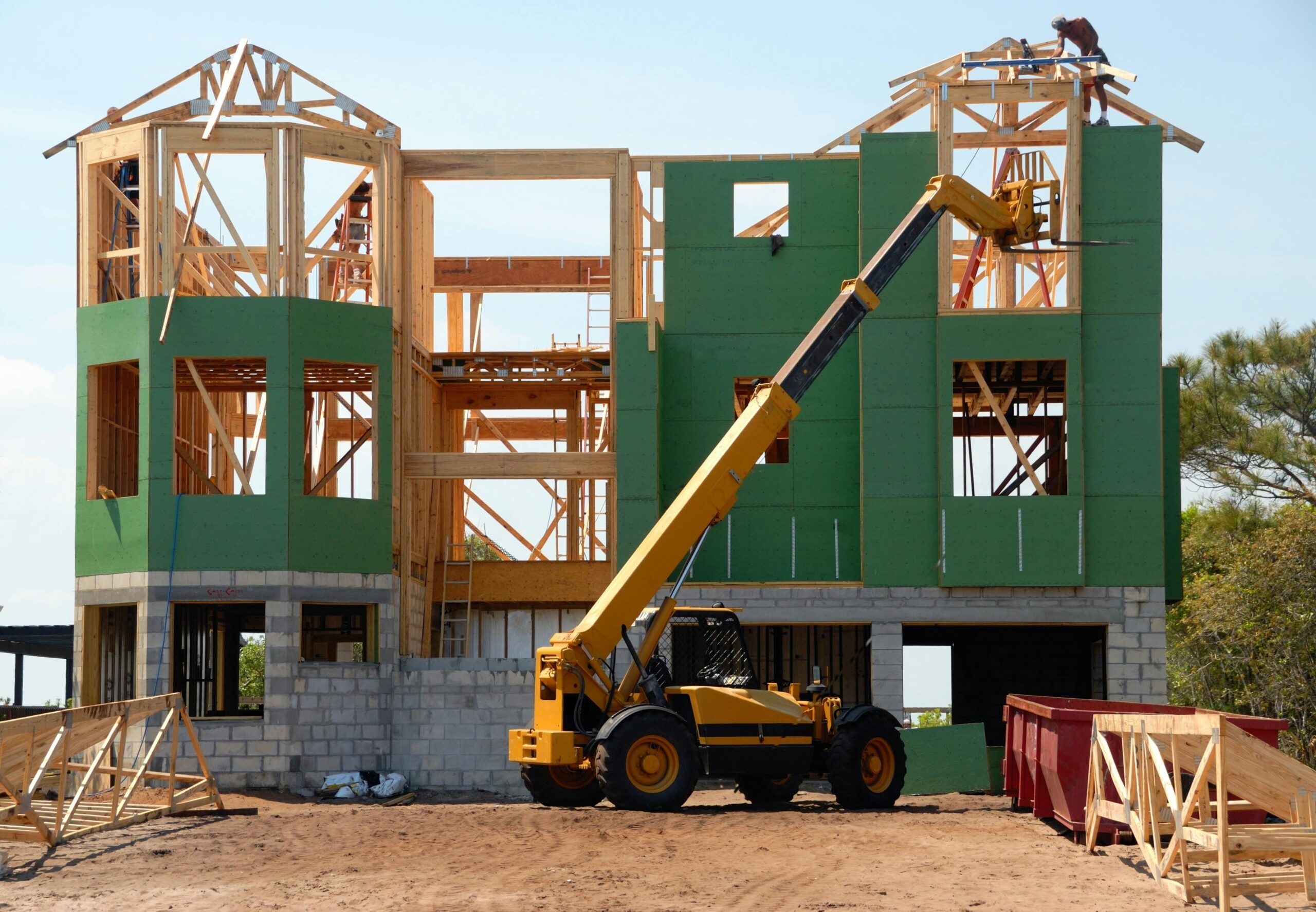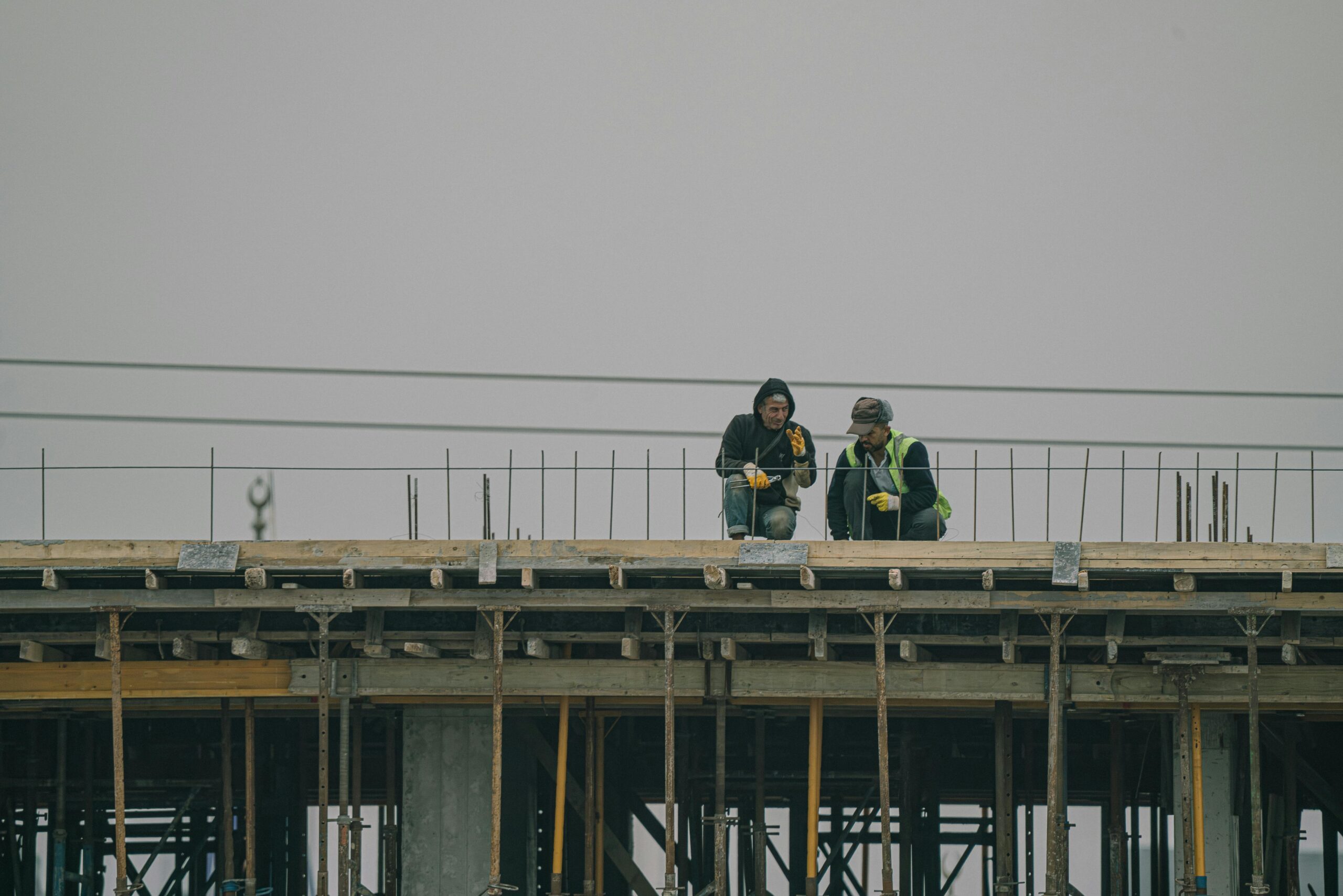
When I first helped a friend plan a small house slab, the biggest confusion was not the design. It was the material calculation. Everyone had a different answer. One contractor said 300 cement bags. Another said 360. The difference was not small, and the cost impact was huge.
That experience made me realize how important it is to understand RCC slab material calculation instead of blindly trusting rough guesses.
This article explains RCC slab calculation in a way that normal people can understand, without complicated formulas or engineering jargon.
What Is an RCC Slab in Simple Words
An RCC slab is a concrete roof or floor made using three main materials:
Cement
Sand
Crush or aggregate
Steel is added inside to make the slab strong.
The total material depends on slab size, thickness, and mix ratio.
Step 1: Measure the Slab Area Correctly
The first mistake most people make is guessing dimensions.
Always measure in feet.
Example from a real site I worked on:
Length: 40 feet
Width: 30 feet
Area = 40 × 30 = 1200 square feet
If you get this wrong, everything else becomes wrong.
Step 2: Decide Slab Thickness
For residential houses, common thickness is:
4 inches for light load
5 inches for normal houses
6 inches for heavy load
In our example, we used 5 inches.
Convert inches to feet:
5 inches ÷ 12 = 0.42 feet
Step 3: Calculate Concrete Volume
Concrete volume = Area × Thickness
1200 × 0.42 = 504 cubic feet (wet volume)
Concrete shrinks after drying, so we multiply by 1.54 to get dry volume.
504 × 1.54 = 776 cubic feet
This step is often ignored, but skipping it gives wrong results.
Step 4: Cement, Sand, and Crush Ratio
A commonly used RCC slab ratio is 1:2:4
That means:
1 part cement
2 parts sand
4 parts crush
Total parts = 7
Step 5: Cement Calculation
Cement volume = (1 ÷ 7) × 776
Cement volume = 111 cubic feet
One cement bag is approximately 1.25 cubic feet.
Cement bags = 111 ÷ 1.25 = 89 bags
Always add 5 to 10 percent extra for wastage.
Step 6: Sand and Crush Calculation
Sand = (2 ÷ 7) × 776 = 222 cubic feet
Crush = (4 ÷ 7) × 776 = 443 cubic feet
These values matched very closely with what we actually used on site.
Common Mistakes I Have Seen on Sites
Using guesswork instead of measurement
Ignoring dry volume factor
Not considering wastage
Trusting one person without calculation
These mistakes usually lead to budget overruns.
Why a Calculator Helps
Doing this manually every time is tiring and risky.
That is why we built the TechAdvi RCC Slab Calculator, which gives instant results after entering dimensions and ratios.
It does not replace an engineer, but it gives you clarity before spending money.
Final Thoughts From Experience
Understanding slab calculation gives confidence.
You can talk to contractors with facts, not fear.
Even if you never do construction yourself, knowing these basics saves money and stress.