Introduction
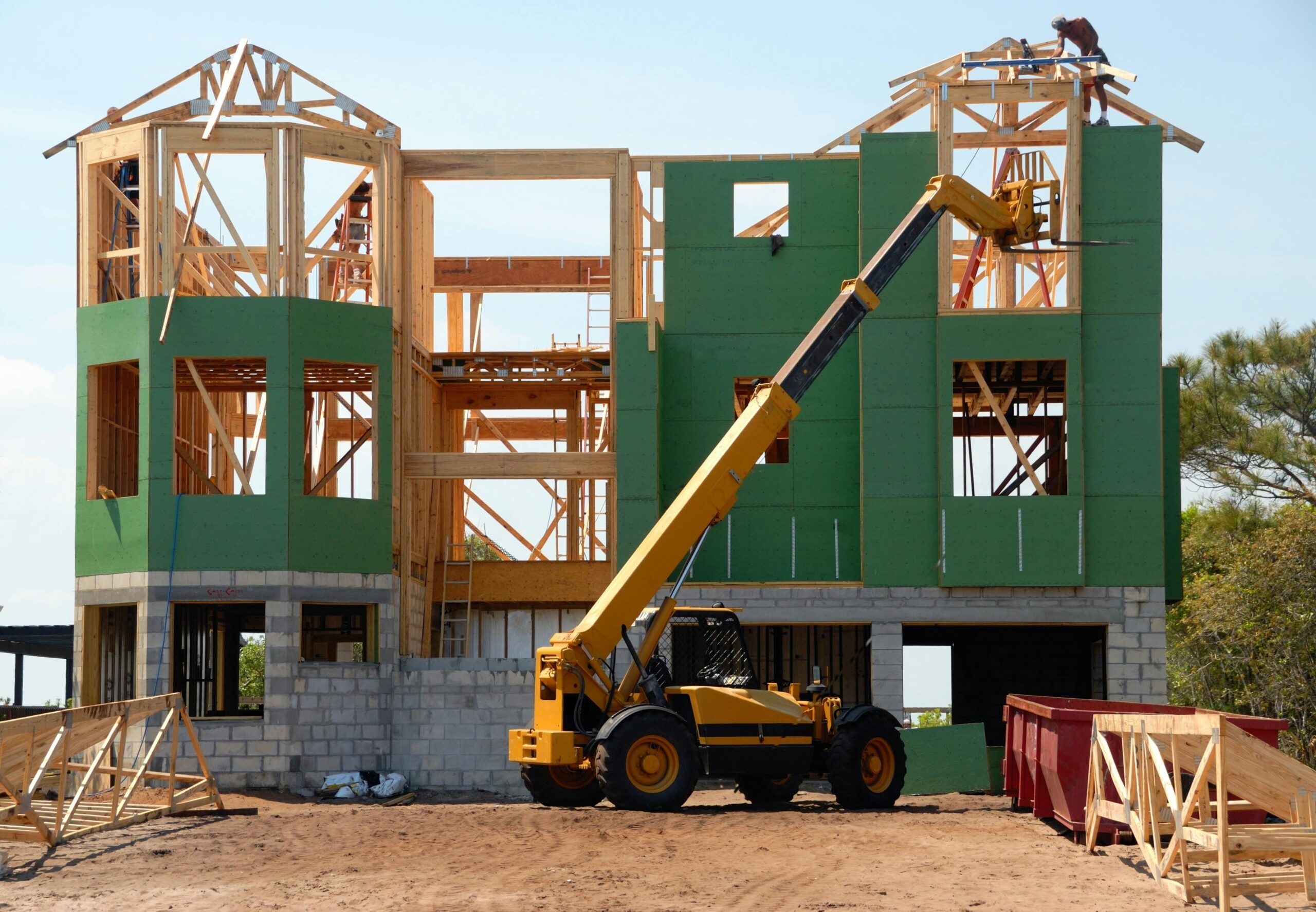
Construction work often looks easy at the beginning. People are busy, materials are stacked neatly, and everything seems under control. I have seen many sites like this. Most of them felt normal right up to the moment something went wrong.
On small residential construction sites, safety is usually not taken seriously. Not because people are careless, but because they believe serious accidents only happen on big projects. From what I have personally observed, problems start when deadlines get closer and small safety steps are ignored one after another.
I decided to write this after watching the same safety mistakes repeat on different sites, especially where beginners, homeowners, and small contractors were involved.
Why Construction Site Safety Really Matters
Safety is not just about following rules written somewhere. It affects everyday work more than most people realize.
When safety is ignored, work does not stop immediately. It slows down quietly. A small injury here. Confusion there. One unexpected delay turns into several. I once saw a site shut down for an entire day because no one knew how to respond after a minor accident.
That experience made it clear to me that safety and productivity are closely connected.
Basic Safety Awareness Comes First
Many site owners assume workers already know how to stay safe. In reality, most workers learn by copying what they see around them.
If unsafe behavior becomes common, it spreads fast. If safety is taken seriously, that also spreads.
Simple habits help. A short talk before work starts. Pointing out risky areas. Even a quick reminder about what not to do. These things may sound small, but over time they reduce accidents.
Protective Equipment Should Never Be Skipped
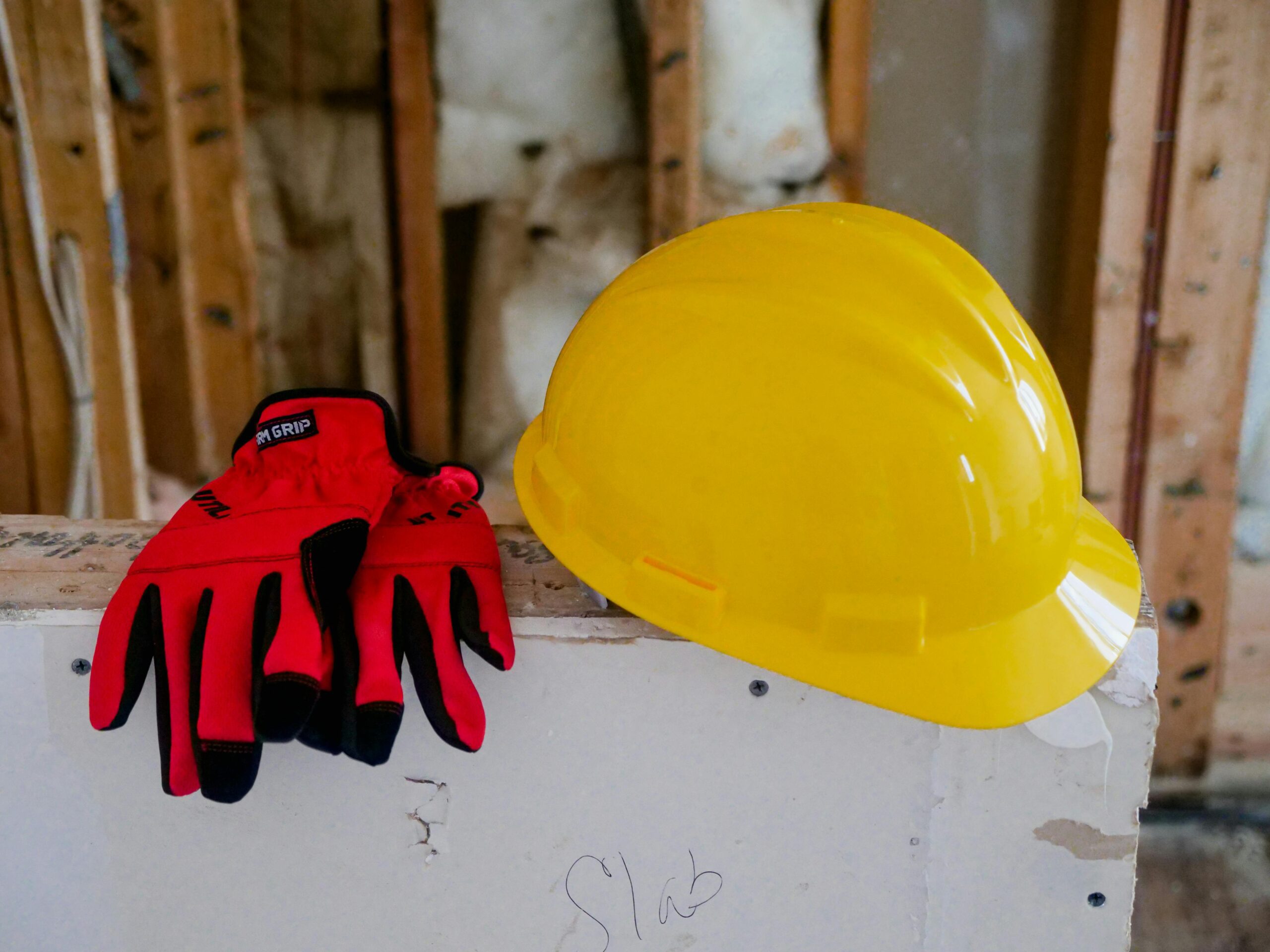
Helmets, gloves, safety shoes, and eye protection are often treated as optional. They are not.
I still remember a moment when a small piece of material fell from above and landed on a worker’s helmet. Nothing serious happened. But that moment changed the mood on the site. After that, helmet use was no longer debated.
Protective gear is uncomfortable sometimes. But accidents are worse.
Clean and Organized Sites Are Safer
Messy sites create risks that people usually notice too late.
I have seen bricks left on walkways, tools lying around, and sharp objects hidden under dust. On one project, tools were left scattered overnight. The next morning, a worker tripped while carrying material. The injury was minor, but work stopped for hours.
After that, daily cleanup became routine. The difference was noticeable almost immediately.
Tools and Equipment Need Regular Attention
Tools make work faster, but damaged tools make work dangerous.
I have seen workers continue using faulty equipment just to avoid delays. That decision almost always leads to injuries or breakdowns later. Tools should be checked before use. Broken equipment should be removed. Machines should only be handled by trained workers.
Skipping these steps never saves time in the long run.
Electrical Safety Is Often Taken Lightly
Temporary wiring is common on construction sites, and it is often poorly managed.
Loose wires, open joints, and quick fixes increase the risk of electric shock. I have personally seen workers ignore small shocks, thinking they were harmless. They were wrong.
Electrical safety deserves attention, even when the work is temporary.
Extra Care Is Needed When Working at Heights
Falls remain one of the most serious risks on construction sites.
Slab work, roofing, and scaffolding all require proper precautions. Scaffolding should be stable. Guardrails should be used where possible. Safety belts and harnesses should not be treated as optional accessories.
No deadline is worth an injury.
Warning Signs and Restricted Areas Make a Difference
Not all dangers on a site are obvious.
Clear warning signs and barriers help people stop and think before entering risky areas. They also protect visitors who may not understand site conditions. On busy sites, these simple measures reduce confusion and prevent unnecessary accidents.
Proper Material Handling Prevents Common Injuries
Improper lifting and storage cause many injuries, especially back and hand problems.
From what I have seen, workers are often overloaded when work pressure increases. Rushing material handling leads to mistakes. Poor stacking creates avoidable risks. Using proper lifting methods and basic tools makes work smoother and safer.
Not every safety rule is followed perfectly every day. Some days go well. Some do not. What matters is noticing problems early and fixing them before they grow.
Emergency Preparation Should Never Be Ignored
Even with precautions, accidents can still happen.
Every site should have a basic first-aid kit. Emergency contact numbers should be easy to find. Access paths should stay clear. Quick action often prevents small issues from becoming serious situations.
Regular Safety Checks Help More Than People Expect
Construction sites change every day. New materials arrive. New risks appear.
On one project, I observed that the supervisor started doing simple weekly safety checks. Nothing formal. Just walking around and paying attention. Within weeks, small accidents stopped, and work became more organized.
Consistency mattered more than complexity.
Safety Mistakes I Have Seen on Small Construction Sites
From my own observations, beginners often skip safety gear when work gets busy. Untrained workers are sometimes allowed to handle equipment. Many people also believe accidents only happen on large projects, not small ones.
These assumptions usually lead to avoidable problems.
Disclaimer
This article is for educational purposes only. Safety requirements may vary based on location, project type, and local regulations. Always follow local laws and consult qualified professionals when needed.
Conclusion
Construction safety is not about fear. It is about awareness and responsibility. From what I have personally seen, safety does not slow work down. It helps work continue without unnecessary interruptions, arguments, or stress. Most of what I learned about site safety came from watching people work day after day, not from reading manuals.
Read Also: Tile Flooring Calculation That Prevents Extra Cost.