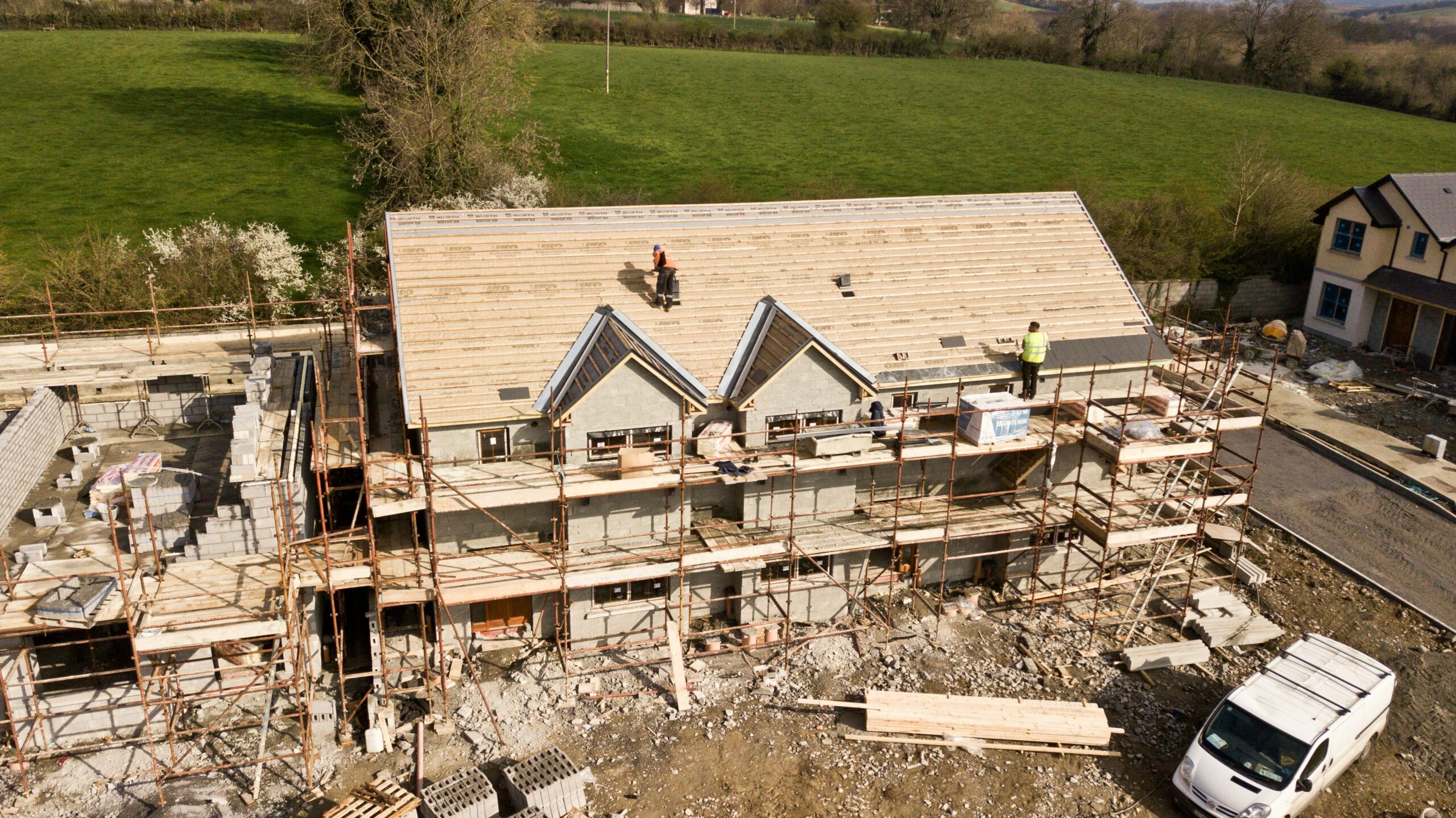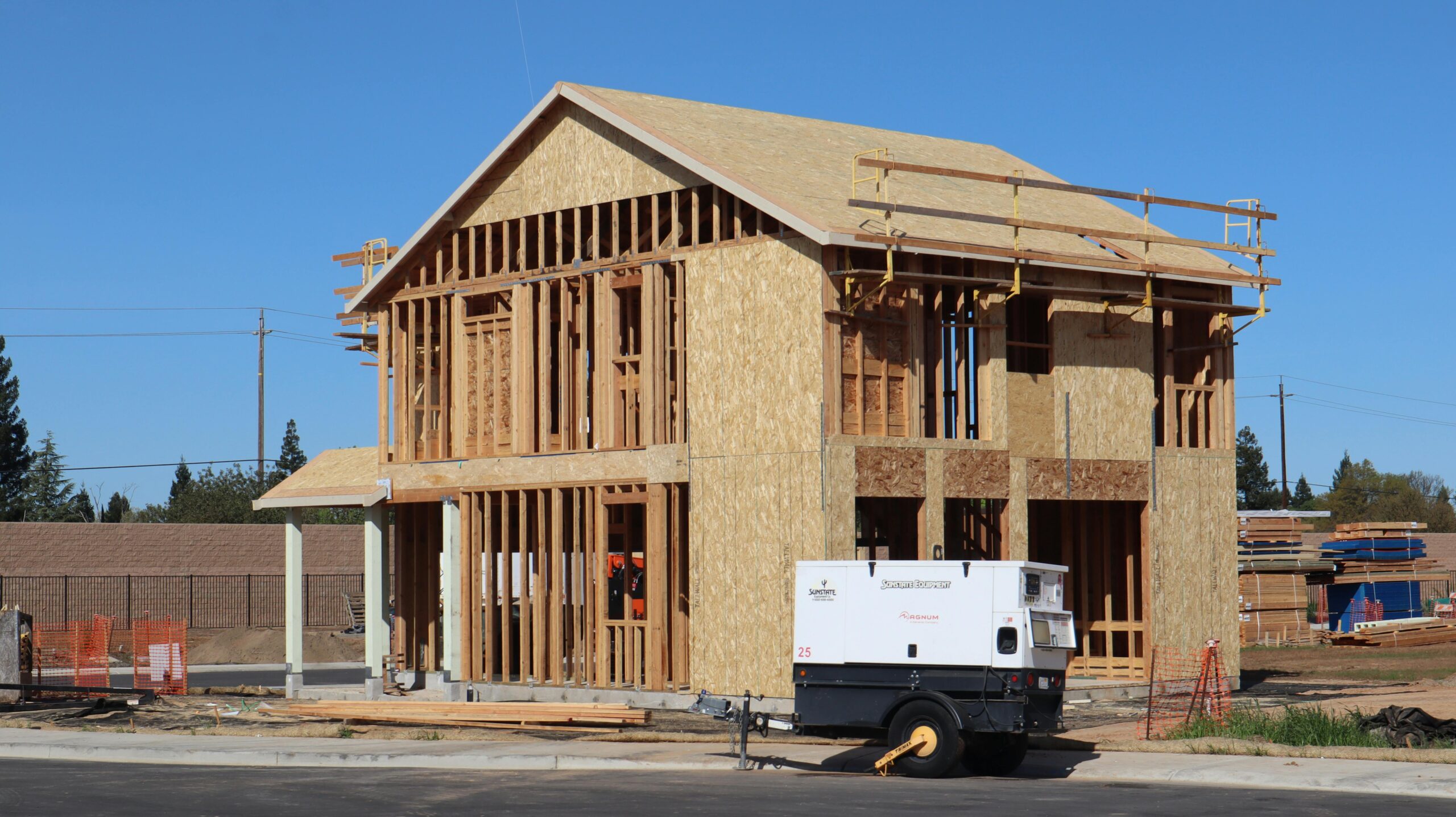
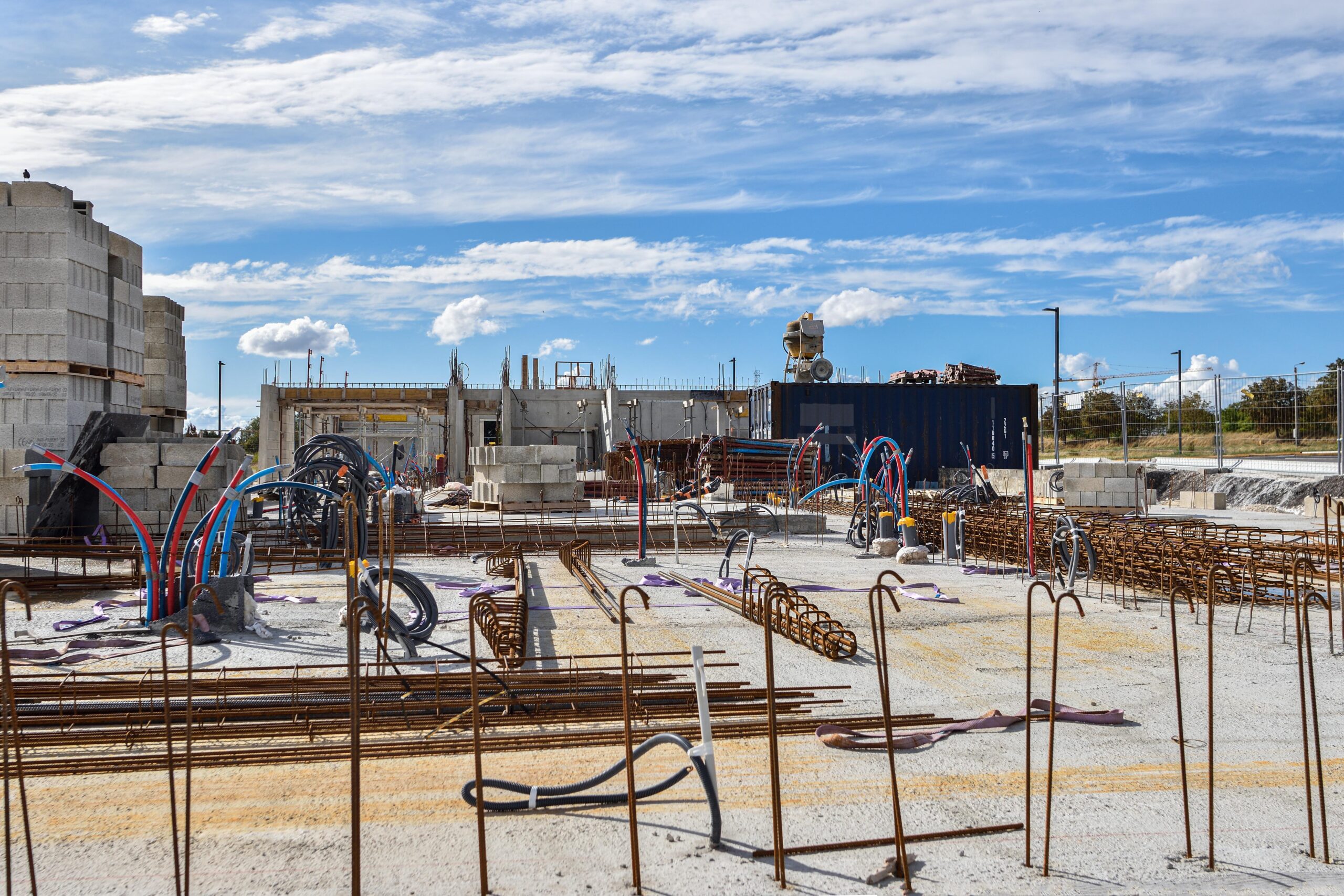
When I started working on residential construction sites, I had a very simple idea in my head. Foundation ka kaam? Just dig, pour concrete, and move on.
That’s what I thought. But then I saw something that stuck with me. A newly built house, with fresh paint, everything looked perfect, started showing cracks within a few months. Not years. At first, everyone had their own theories. Bad cement. Poor labor. Weather. But when we looked deeper, the issue was obvious. The foundation didn’t match the soil. That was the moment I realized foundation isn’t just a step in construction. It’s the base decision that affects everything later.
People Focus on Finishing, But the Real Game Is Below
Most homeowners I’ve worked with care more about what they can see.
Tiles. Ceiling design. Kitchen cabinets. And I get it that’s the exciting part.
But here’s the uncomfortable truth:
If the foundation isn’t right, those things don’t last the way you expect.
I’ve seen houses where:
- Cracks start appearing quietly in corners
- Doors begin to misalign (you won’t notice it immediately)
- Floors feel slightly off after some time
Not dramatic failures. Just small issues that slowly grow. And almost always, the root cause is underneath.
1. Isolated Footing The Default Choice (But Not Always Safe)
This is probably the most commonly used foundation in small residential houses. Each column gets its own footing. Simple. And yes, I’ve used it many times.
A Small Mistake That Stayed With Me
On one project, everything looked fine during excavation. Soil seemed compact enough. No visible issues. So the team didn’t pay much attention to proper compaction.
Nothing went wrong immediately. But after around 6 months, one side of the house settled slightly. Not enough to panic, but enough to notice. That’s the thing with foundations. Mistakes don’t always show up right away.
When It Works Well
- Small houses (1–2 floors)
- Solid, compact soil
When It Becomes Risky
- Loose soil
- Moist or water-retaining ground
2. Combined Footing When Space Forces the Decision
Sometimes, site conditions make decisions for you. I remember a project where a boundary wall column and a house column were too close to each other. Separate footings weren’t practical.
We had to go with a combined footing. Honestly, it worked out well, but this isn’t something you plan for. It usually comes from constraints.
3. Strip Foundation Looks Simple, Can Go Wrong Fast
This is used under load-bearing walls instead of columns. It sounds simple. A continuous strip of concrete under the wall. But I’ve seen people misuse it.
Real Issue I’ve Seen
Someone used a strip foundation on weak soil without proper reinforcement. At first, everything looked fine. Later, cracks started running along the entire wall line. Not one spot the whole length. That’s when you realize: continuous foundations also mean continuous problems if done wrong.
4. Raft Foundation When You Don’t Trust the Soil
This is where things get serious. A raft foundation spreads the entire building load across one large slab. Think of it like placing your house on a solid platform.
One Decision That Paid Off
We had a plot with soft soil, slightly damp, not very reliable.
The client wanted isolated footings to save money. Completely understandable.
But we pushed for a raft foundation.
It increased the cost. No doubt about that.
But today, that structure has:
- No visible settlement
- No cracks
- No complaints
Sometimes, the more expensive option is actually the cheaper one just not immediately.
One Thing People Ignore
Waterproofing. I’ve seen people spend on the slab but ignore protection from moisture. That’s a mistake you don’t want to deal with later.
5. Basement Foundation: Great Idea, If You Do It Right
Basements sound like a luxury extra space, storage, and even rental potential. But they can go wrong very easily.
Two Completely Different Outcomes
I’ve seen one basement where:
- No proper drainage
- Weak waterproofing
After the first rainy season moisture everywhere.
And another one where:
- The waterproof membrane was properly installed
- Drainage system planned in advance
- Sump pump included
That basement? Dry. Clean. Fully usable.
Same idea. Different execution.
6. Pile Foundation When Nothing Else Works
This isn’t common in regular houses, but sometimes you don’t have a choice. We worked on a site near a water channel. The soil was too weak for shallow foundations. So we went with piles. Deep drilling. Reinforcement. Concrete filling.
It’s not cheap. It’s not quick. But in some cases, it’s the only stable solution.
7. Slab-on-Grade Fast, Cheap… but Limited
This is one of the simplest options. Concrete slab directly on the ground. We used it for a small single-story structure.
What Happened Later
Initially, everything was fine. Quick build. Low cost.
After about a year:
- Minor cracks appeared
- Slight unevenness in the flooring
Nothing catastrophic but noticeable.
How I Decide Foundation Now (After All These Lessons)
I don’t guess anymore.
Step 1: Check the Soil
Even basic testing helps more than assumptions.
Step 2: Look Around
Nearby buildings tell you a lot.
Step 3: Calculate Load
Using tools like AutoCAD or structural software.
Step 4: Talk Budget Honestly
No point recommending something unrealistic.
Step 5: Watch the Work
Execution matters more than drawings.
Mistakes I See Again and Again
- Skipping soil testing
- Ignoring waterproofing
- Using cheap materials
- Not curing concrete properly
- Hiring labor without supervision
These don’t look like big issues at the start. Later, they become expensive problems.
One Thing I Always Tell Clients
You can compromise on finishes. You can upgrade interiors later. But fixing a foundation? That’s a different story.
The Reality
There’s no “one best foundation.”
It depends on:
- Soil
- Budget
- Structure
But if you take one thing from this:
Don’t rush this decision. Because once the foundation is done, everything else is locked on top of it. And if it’s done right, you won’t even think about it again, which is exactly how it should be.