1. Introduction: A Real Situation Most People Don’t Expect
I still remember walking into a newly built house in a small residential area. Fresh paint, polished tiles, clean lines, everything looked perfect at first glance. The owner was proud. He had just shifted in a few weeks ago.
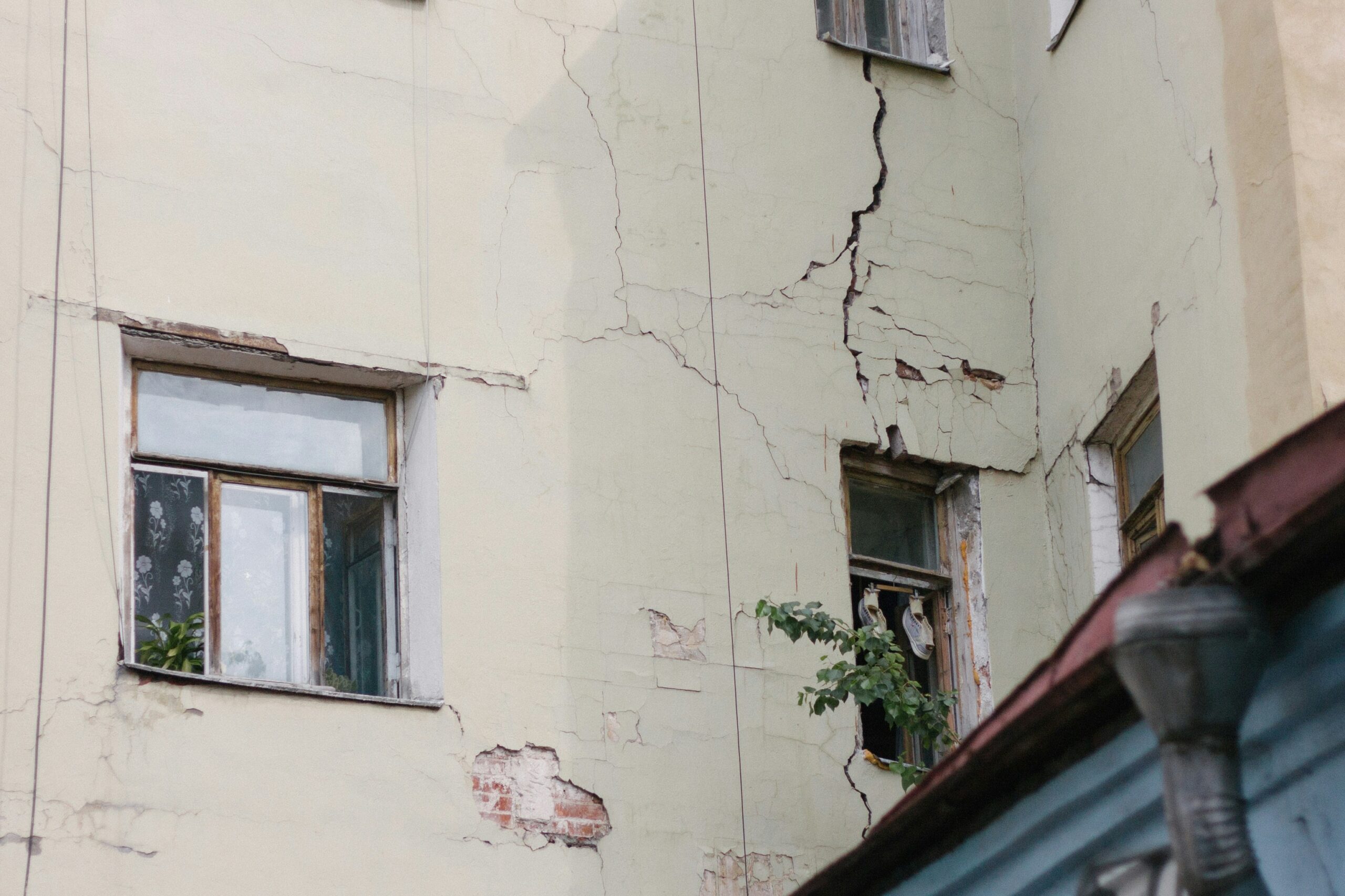
But while standing in the lounge, something felt slightly off. A thin line, barely noticeable, ran across the wall near the ceiling. It wasn’t something you’d notice unless you were looking closely. At first, it looked harmless, like a paint issue maybe. But then I saw another one near the corner of a window. And another, faintly forming near the staircase wall. When I pointed it out, the owner smiled and said, “Yeh tou normal hota hai, naya ghar hai baad mein theek ho jata hai.”
A few months later, I visited again. That same thin crack had widened. The window corner had started chipping. And now, there were visible signs that something deeper wasn’t right. That’s when it becomes clear these problems don’t just “appear.” They build quietly, from decisions made much earlier.
2. Why New Houses Develop Problems So Early
There’s this strong assumption people carry: If a house is new, it should be perfect. But on real construction sites, that assumption doesn’t hold up. A newly built house is actually in its most sensitive stage. Materials are still settling. Concrete is still reacting internally. The structure is adjusting to weight, temperature, and moisture. And more importantly, any mistake made during construction hasn’t had time to show itself yet.
I have seen houses where everything looked flawless at handover. Smooth walls, perfect paint, sharp edges. But within 3–6 months, small issues began surfacing. Not because the house suddenly became weak. But because the hidden flaws finally started revealing themselves. New construction often hides problems better than old buildings. Old houses show their damage openly. New ones take time.
3. Different Types of Cracks (In Simple Terms)
Not every crack means the same thing. And this is where most confusion starts.
Surface Cracks
These are the ones you usually see first. Thin lines on plaster or paint. They look harmless, and sometimes they are. I’ve seen these appear within weeks of painting, especially on ceilings or long walls. They often come from shrinkage or poor finishing. But sometimes, they’re just the beginning of something deeper.
Structural Cracks
These are different. They don’t stay thin for long. They grow. You might notice them near beams, columns, or corners of doors and windows. They don’t just sit there, they extend, slightly change direction, and sometimes even widen over time. At first, the crack looked minor, but later, the real issue became visible. These cracks are not just about plaster. They’re often connected to how the structure is behaving underneath.
Settlement Cracks
These are tricky. They usually appear when the building slightly shifts or settles unevenly. You might see diagonal cracks near windows or walls pulling away slightly from each other. I’ve seen houses where one side seemed perfectly fine, while the other side started showing stress marks. That’s not a coincidence. That’s the ground underneath reacting differently.
4. Foundation-Related Causes
Most problems don’t start where you see them. They start below.
Weak or Unchecked Soil
In many small residential projects, soil testing is either skipped or taken lightly. “Yahan sab ghar ban rahe hain, yeh zameen theek hai.” That assumption alone has caused more issues than people realise. Different plots can behave differently even within the same street. I’ve seen foundations laid on soil that looked firm on the surface but had loose layers underneath. Everything felt stable during construction. But months later, slight shifts started appearing. And once the foundation moves even a little, the structure above begins to react.
Poor Foundation Work
Sometimes the design is fine, but the execution isn’t. Improper compaction, uneven excavation, or rushed concrete pouring can all weaken the base. You don’t see this part once the house is built. It’s buried. But the structure remembers.
Early-Stage Mistakes That Stay Forever
Foundation mistakes are not immediate. They don’t show up the next day. They wait. And when they do appear, they don’t come as a single crack. They come as patterns.
5. Poor Curing & Concrete Issues
This is one of the most common and most ignored problems. Concrete doesn’t just dry. It needs time and moisture to gain strength. But on many sites, curing is rushed or inconsistent. I’ve seen slabs being watered for just a few days. Sometimes unevenly. Some areas are soaked, others dry. At that moment, everything still looks solid. But inside, the concrete hasn’t developed properly. Months later, you start noticing fine cracks. Not dramatic, but consistent. These are the kind that spread slowly across surfaces. And once they start, they don’t reverse.
6. Material Quality Problems
Not all materials used on site are what they’re supposed to be. Sometimes intentionally. Sometimes due to cost pressure.
Low-Quality Cement or Sand
You won’t notice the difference during mixing. But the result changes everything. Weak bonding, faster shrinkage, and uneven finish these all come from compromised materials.
Inconsistent Mix Ratios
On smaller sites, mixes are often done manually. One batch slightly richer. Another slightly weaker. That inconsistency creates uneven strength across the structure. I’ve seen walls where one section stayed perfectly intact while the adjacent section developed cracks. Same wall. Same construction phase. Different mix.
Hidden Compromises
Sometimes, materials look fine externally. But quality isn’t always visible. And by the time issues show up, it’s too late to trace the exact cause.
7. Structural Execution Mistakes
Even with good materials and design, execution can go wrong.
Alignment Issues
Slight misalignments during construction might not look serious. But they create uneven load distribution. Over time, stress finds its weakest path. And that path often becomes a crack.
Reinforcement Mistakes
Steel placement matters more than most people realise. Incorrect spacing, improper tying, or missing bars in critical areas can weaken structural elements. You don’t see these once concrete is poured. But their absence shows later.
Rushed Work
Deadlines push everything faster. Slabs poured quickly. Walls raised without proper intervals. Finishing started before the structure fully settles. At first, everything looks efficient. Later, it shows why it wasn’t.
8. Weather & Environmental Impact
Construction doesn’t happen in a controlled lab. It happens under the sun, dust, moisture, and changing temperatures.
Heat
In hot weather, materials expand and dry faster. Concrete loses moisture quickly. Plaster shrinks unevenly. I’ve seen walls develop hairline cracks within days during peak summer work.
Moisture
Excess moisture creates its own problems. Walls absorb water, expand slightly, and later shrink. This constant movement creates stress on surfaces.
Expansion and Shrinkage
Buildings are not static. They move slightly, constantly. If that movement isn’t accounted for properly, it shows as cracks.
9. Electrical & Plumbing Related Damage
This part is often overlooked. After the structure is complete, walls are cut for wiring and plumbing. I’ve seen deep channels cut into walls without proper planning. Then refilled quickly. That patched area never behaves exactly like the original wall. Later, cracks form along those lines.
Leakage Problems
Water seepage from pipes inside walls is another silent issue. At first, nothing is visible. Then paint starts bubbling. Then, slight cracks appear. And eventually, the wall begins to weaken internally.
10. Finishing Stage Problems
The finishing stage often hides more than it reveals.
Plaster Cracks
These are very common. Sometimes due to poor curing, sometimes due to uneven surfaces underneath. They appear fine initially, then slowly become visible.
Paint Issues
Paint can temporarily mask problems. Fresh paint fills tiny imperfections. But as the surface settles, those lines reappear.
Surface Hiding Deeper Issues
A perfectly finished wall doesn’t always mean a healthy structure. Sometimes it just means the problem hasn’t surfaced yet.
11. Why These Problems Are Often Ignored
Most people don’t react to early signs. Because they don’t look serious. And also because of one common mindset: “Abhi naya ghar hai baad mein dekh lenge.” I’ve heard this many times. Small cracks are dismissed. Slight dampness is ignored. Until the issue grows enough to demand attention.
12. Real Site Observations (Patterns Across Projects)
After visiting multiple small residential sites, certain patterns become clear.
• Cracks near windows are extremely common
• Staircase walls often develop stress lines
• Roof slabs show early signs if curing was weak
• Corners of rooms are more vulnerable than flat walls
I have seen houses where different parts of the same structure aged differently. One room stayed perfect. Another started showing issues early.
That tells you something important: Construction quality is not always consistent even within the same house.
13. What These Problems Lead To (Long Term)
At first, it’s just a crack. Then it becomes a repair. Then repeated repair. And eventually, a cost. I’ve seen homeowners repaint entire sections within a year. Some had to redo the plaster. Others had to fix the leakage that had spread behind the walls. And in more serious cases, structural concerns started appearing. Not always dangerous but definitely stressful.
14. Practical Awareness (Not Advice, Just Observation)
You don’t need technical knowledge to notice early signs. You just need attention. Look at corners, check around windows, and observe changes over time. If something looks slightly different than before, it probably is. And early awareness doesn’t fix problems instantly, but it prevents them from being ignored.
15. Conclusion
New houses don’t fail suddenly. They reveal themselves slowly. What looks perfect on day one is still in transition. Still adjusting. Still settling. And most problems that appear later were already present in some form during construction. They just weren’t visible yet. If there’s one thing I’ve understood from visiting these sites, it’s this: A house doesn’t become strong after completion. It shows how it was built.
Also Read: Why House Construction Delays Really Happen