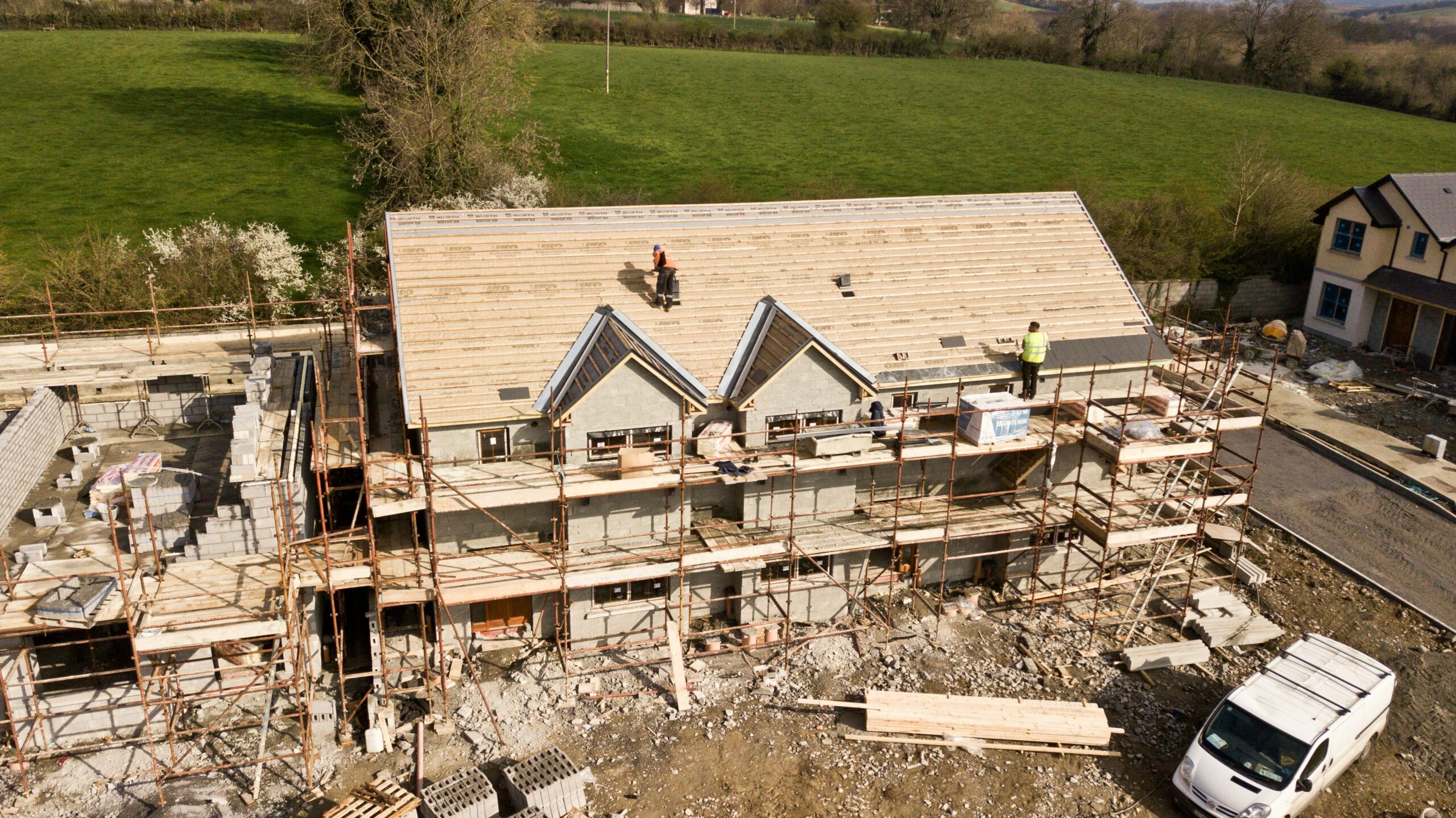
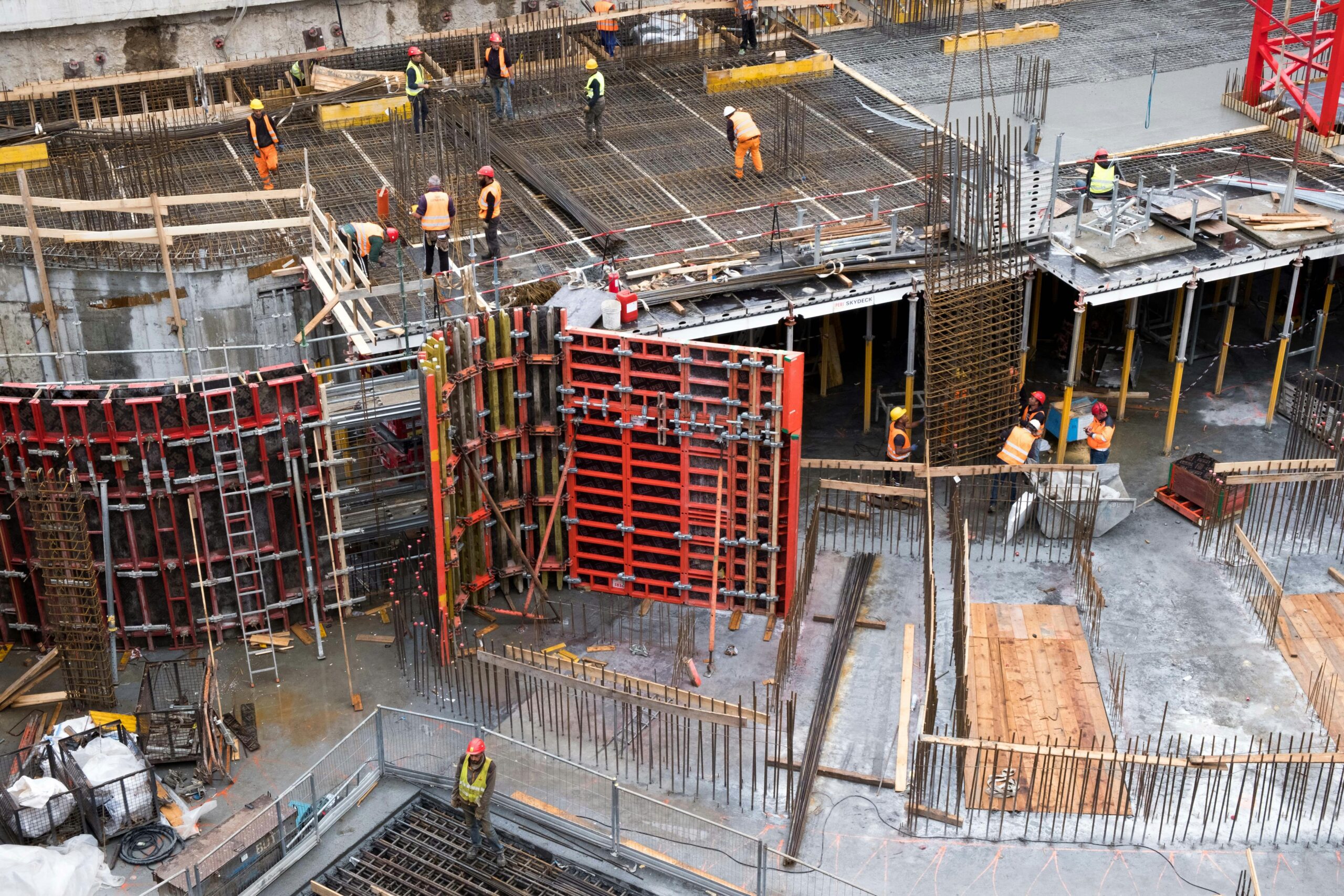
I still remember standing at a construction site where three workers were arguing about the mix ratio. One said to use more cement for strength. Another said to reduce cement to save cost. No one explained why. Mix ratio is one of the most misunderstood topics in construction. Let’s clear it properly.
What Is a Mix Ratio Really
A mix ratio tells us how much cement, sand, and crush to combine to make concrete.
It is written like this:
1:2:4
1:3:6
These numbers represent parts, not bags.
Why Ratio Matters More Than People Think
Too much cement makes concrete brittle and expensive. Too little cement makes it weak and unsafe. Correct ratio gives strength, durability, and cost balance.
Common Ratios Used in Real Projects
1:2:4
Used for RCC slabs, beams, columns
1:3:6
Used for foundations and light work
1:4:8
Used for non-load-bearing work
I have personally seen slabs cracked because the wrong ratio was used.
Practical Example From Site
We used a 1:2:4 ratio for a 1000 sq ft slab. The concrete strength tested after curing was perfect. Another site used 1:3:6 for the slab to save cement. Cracks appeared within months.
How to Choose the Right Ratio
Ask these questions:
- Is this load-bearing
- Is steel used
- Is it the roof or floor
- What is soil condition
Never use foundation ratios for slabs.
Mistakes to Avoid
- Using the same ratio everywhere.
- Adding water to improve workability.
- Changing ratio mid-work.
Concrete, once poured, cannot be fixed easily.
Using Calculators for Ratio-Based Estimation
Instead of guessing, calculators allow you to:
- Change ratios
- See a material difference
- Control cost
This helps especially when planning budgets.
Real Advice
If the budget is tight, reduce the slab area or thickness. Never reduce the cement ratio blindly.