
1. Introduction: The Reality Shift
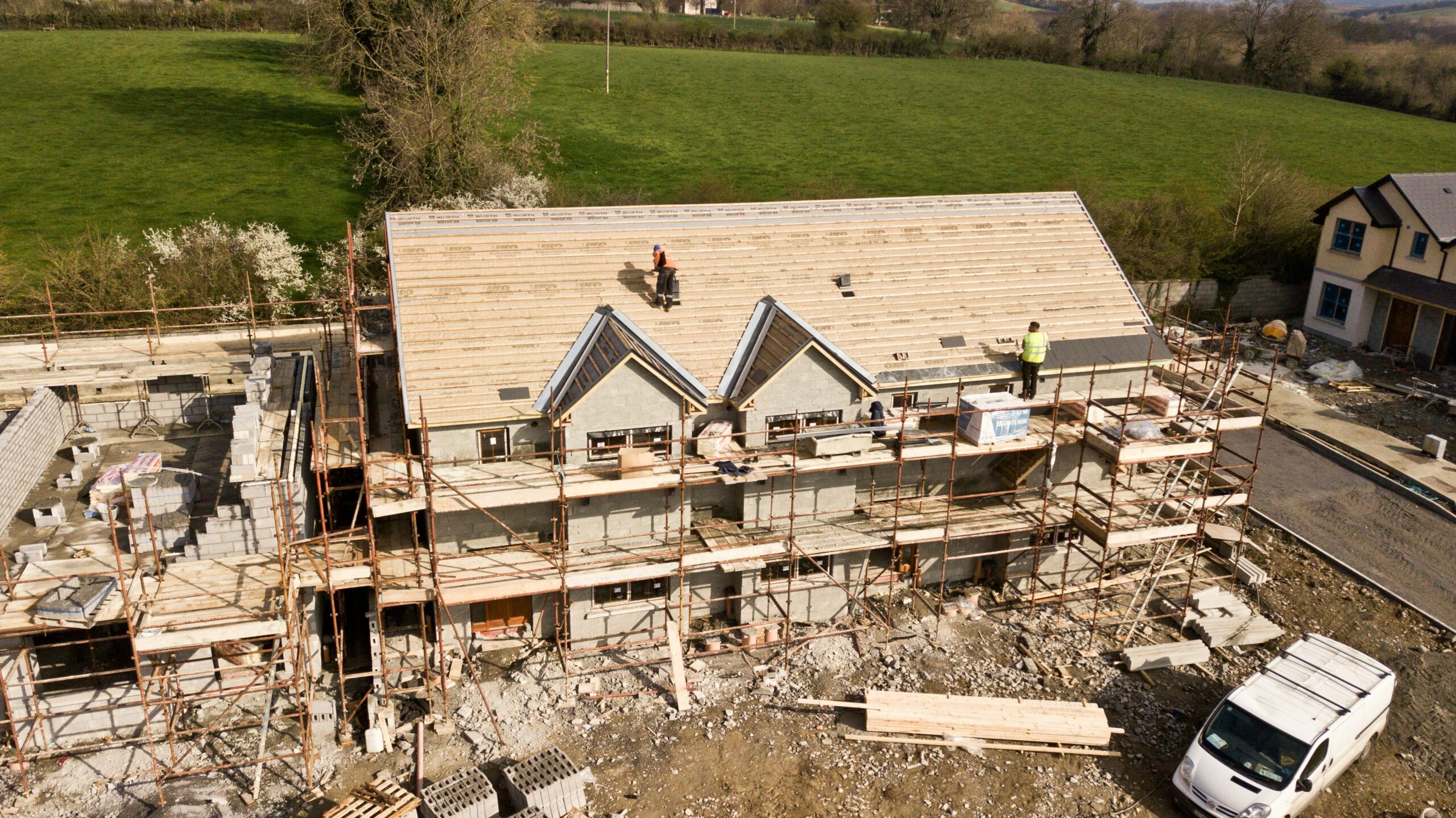
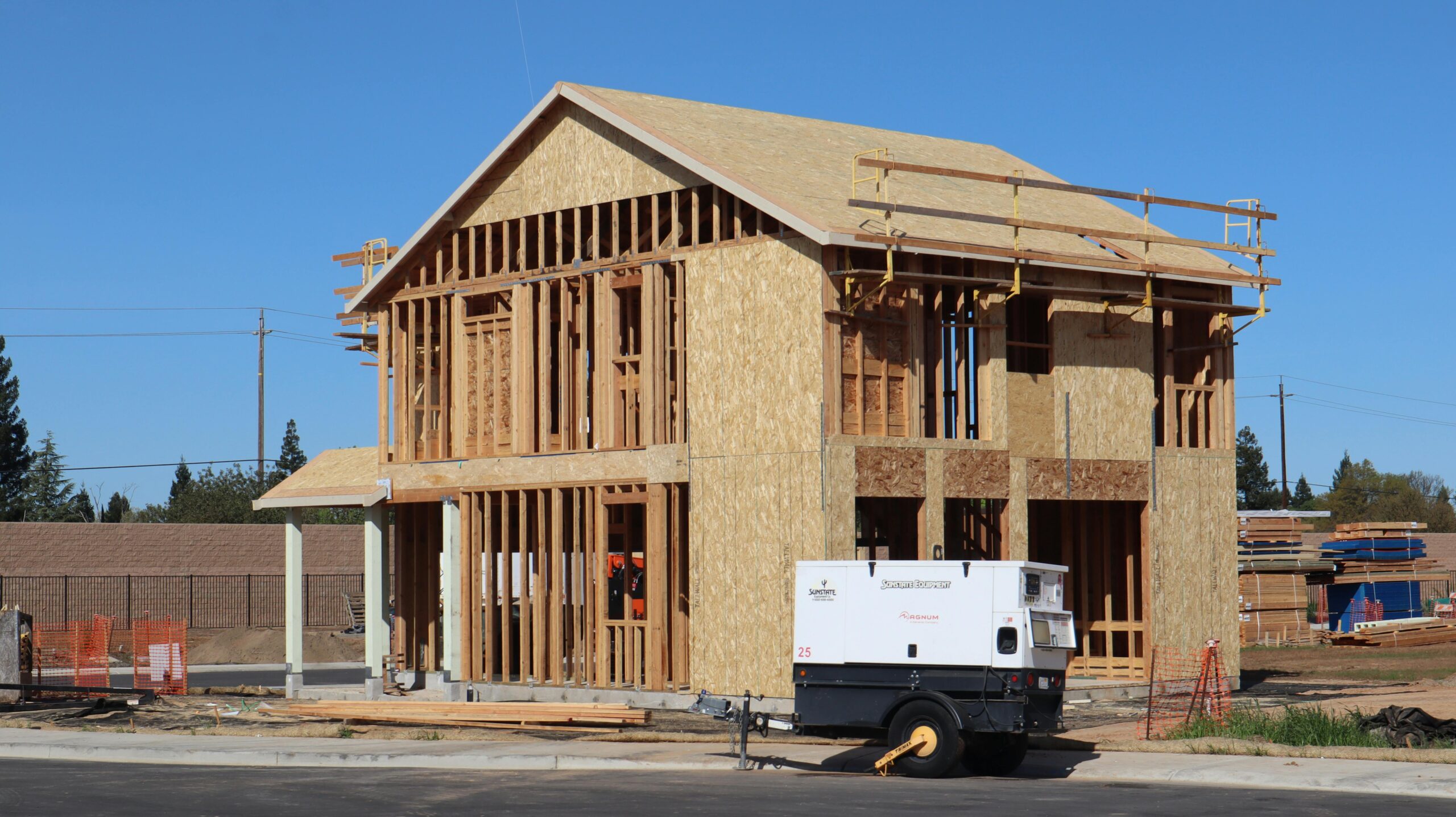
The first time you stand on an empty plot and watch construction begin, everything feels solid. There’s a sense of progress that’s hard to explain. Bricks stacking up, labor moving with rhythm, cement mixing in the background, it all gives the impression that things are moving in the right direction.
I’ve stood on sites like this more times than I can count. Early mornings, dusty afternoons, sometimes even late evenings when work stretched longer than planned. And almost every time, in those early days, nothing looks wrong. In fact, everything looks right. The walls go up, the structure starts taking shape. People walk through the site imagining rooms, windows, and future furniture. There’s excitement in the air.
But here’s the part that doesn’t show itself immediately and rarely does. A lot of the real problems are already being built in. Not visibly, not obviously, not in a way that raises alarms. They sit quietly inside the structure, hidden behind layers that haven’t even been added yet. At that stage, no one talks about them. No one notices them. And even if someone does, it often feels too small to matter. At first, it doesn’t look like a problem. Only later does it become one.
2. Why Problems Are Not Visible Early
There’s something about early-stage construction that hides reality very well. Part of it is visual. When things are raw, exposed concrete, open wiring spaces, unfinished walls, your brain focuses on what’s being built, not what’s slightly off. Small misalignments don’t stand out. Slight inconsistencies feel normal. I’ve seen people walk through half-constructed homes, nodding with satisfaction, even when certain things were already slightly off.
The truth is, early-stage work doesn’t give immediate feedback. If a wall is a little out of line, it doesn’t scream at you. Curing wasn’t done properly, nothing cracks the next day. If materials are slightly compromised, the structure doesn’t collapse instantly.
Everything seems fine, and because there’s no immediate consequence, the issue gets buried both physically and mentally. Another thing I’ve noticed is how quickly attention shifts forward. Once one stage is done, everyone is focused on the next. There’s rarely a pause where someone goes back and questions what was just completed.
Momentum hides mistakes. And once the next layer goes on top of plaster, flooring, and paint, those earlier details are no longer visible. Out of sight, out of mind. Until, of course, they come back.
3. Foundation-Level Hidden Mistakes
Foundation work is one of those phases where everything feels serious, but ironically, many subtle mistakes still slip through. I’ve seen cases where the work was rushed because the weather was changing or labor availability was uncertain. There’s always some reason. At first, it doesn’t look like a problem. Concrete is poured. The surface looks even enough. Workers move on. The structure begins rising above it.
But curing that’s where things quietly go wrong. I’ve watched foundations that were barely watered after pouring. Maybe once or twice, just to tick the box. It didn’t seem alarming at the time. The concrete hardened. It looked fine. Only later did the issue become clear hairline cracks appearing where no one expected them. Not dramatic, not immediate. Just slow signs.
Then there’s alignment. A slight shift, a minor deviation. Something that doesn’t look serious when you’re standing there. I’ve seen foundations that were off by just a bit, nothing you’d notice without measuring tools. But once walls started going up, that tiny error began to travel upward.
And it doesn’t correct itself, it spreads. Another thing that often gets overlooked is soil preparation. Sometimes it’s assumed to be “good enough.” Maybe it was compacted quickly. Maybe not evenly. No one sees that later, but the ground remembers.
4. Structural Phase Mistakes That Go Unnoticed
Once the structure starts rising, columns, beams, and slabs, the site begins to look impressive. This is the stage where most people feel confident. “Now it’s real,” they say. And yes, it is, but it’s also where small execution errors quietly stack up. I’ve seen columns that looked perfectly fine at a glance but had slight inconsistencies in reinforcement placement, nothing extreme, just not exactly as intended.
No one stopped the work, because visually, it passed. There are moments on-site where checking becomes more of a formality than a real inspection. A quick look, a nod, and work continues. And honestly, I understand why. Construction moves fast, stopping it feels costly, but those small, unchecked details don’t disappear.
They stay inside the structure. I’ve also noticed how different teams bring different quality levels. One day, work is neat and precise. The next day, a different group shows up, and things are slightly off. Not bad enough to reject, just not consistent. That inconsistency builds up. It’s not one big mistake. It’s many small ones. And because each one seems minor, no one really addresses them.
5. Material-Related Compromises
This is one of the quietest areas where things go wrong. Materials don’t always match what was originally planned. Sometimes it’s due to availability, sometimes cost, sometimes convenience. And sometimes, it’s just assumed that “this will work too.” I’ve seen cement brands swapped without much discussion. Steel is coming from a different supplier, and sand that didn’t quite look right but was used anyway.
At first, it doesn’t look like a problem. Everything still gets built. The structure stands. No immediate failure, but materials behave differently over time. That slightly lower-quality batch of cement might not show its weakness today. But months later, under stress, it reacts differently. I’ve also seen cases where materials were stored poorly, exposed to moisture, heat, or contamination.
No one noticed at the time. Or maybe they did, but it didn’t feel serious enough to stop work. These aren’t dramatic decisions, they’re small compromises. And that’s what makes them dangerous.
6. Electrical & Plumbing Mistakes (Critical Section)
If there’s one area where mistakes stay hidden the longest, it’s this. Once wiring and plumbing go inside the walls, they disappear completely. I’ve walked through sites where conduits were laid without much planning. Pipes taking awkward turns. Wiring that didn’t follow clean paths. At the time, everything was open and visible.
But no one really questioned it deeply because it was going to be covered anyway. At first, it didn’t look like a problem. Walls were plastered, and everything looked clean and finished. Then months later, switches stopped working properly. Water pressure dropped in certain areas. Leakage did not appear immediately but slowly, staining the walls from the inside. And the worst part? Fixing it meant breaking what was already finished.
I’ve seen homeowners frustrated not because of the problem itself, but because of where it was located inside. There’s also this tendency to underestimate load planning in electrical systems. Extra appliances get added later, but the wiring wasn’t designed for it. Again, nothing fails instantly. But over time, stress builds. Heat builds, and small inefficiencies turn into bigger issues.
7. Finishing Stage Illusions
This is the most deceptive phase. Everything looks perfect. Fresh paint, smooth walls, clean edges. Tiles shining under the light. It’s hard to imagine anything being wrong at this stage. I’ve seen people walk into finished homes and say, “Everything looks flawless.” And visually, it often does, but finishing hides everything beneath it. Those slight wall misalignments? Covered. Minor cracks? Filled and painted over. Uneven surfaces? Smoothed out.
At first, it feels like everything has been corrected. But finishing doesn’t fix structural or underlying issues. It only hides them. I’ve seen walls that looked perfectly straight until you placed furniture against them and noticed gaps. I’ve seen tiles that looked aligned until water started pooling in certain areas. These are small things. But they change how a space feels over time.
8. The Role of Small Decisions
Looking back at different sites, one pattern stands out clearly. Big problems rarely come from big mistakes. They come from small decisions. Decisions that felt harmless at the time. “Ignore this for now.” “We’ll fix it later.” “It’s not a big deal.”
I’ve heard these lines many times. And in that moment, they make sense, because the issue doesn’t look serious, but construction doesn’t forget. Every small choice gets locked into the structure. I’ve seen a minor slope issue in a bathroom floor that didn’t seem important initially. Water drained slowly, but it worked. Months later, that same area became constantly damp. Not a major defect, just annoying, persistent. And that’s how most of these problems are, they don’t destroy the house, they slowly reduce comfort.
9. Why These Mistakes Are Common
It’s easy to assume these issues happen because of negligence. But that’s not always true. From what I’ve observed, it’s often a mix of factors. Lack of awareness plays a big role, Many people simply don’t know what to look for, and honestly, you can’t blame them. Construction has a lot of hidden complexity. Then there’s supervision. Even when someone is responsible for oversight, they can’t be everywhere all the time. Small things slip through during busy days. And sometimes, there’s overconfidence. “I’ve done this before.” “This is standard.”
That mindset reduces checking, and when checking is reduced, small errors pass through. Another factor is time pressure. Projects don’t like delays. So instead of stopping to fix something minor, it’s easier to move forward.
10. Real Site Patterns (What Keeps Repeating)
Across different sites, different locations, different budgets I’ve noticed the same patterns repeating. Walls slightly out of square. Electrical points placed without long-term thinking. Plumbing lines that weren’t pressure-tested properly. Materials used interchangeably without much concern. It’s rarely one big issue. It’s a collection of familiar small ones. And what’s interesting is how consistent these patterns are. You start recognizing them after a while, almost like déjà vu. “I’ve seen this before.” And usually, when you’ve seen it before, you also know how it ends.
11. Long-Term Consequences
Time reveals everything, not immediately, not dramatically, but slowly. Cracks start appearing thin at first. Doors don’t close as smoothly as they used to. Water finds its way into places it shouldn’t. Electrical points behave inconsistently. None of these feels like a major failure. But together, they change the experience of living in the house. I’ve seen homeowners spend more on repairs than they expected. Not because something collapsed, but because small issues kept needing attention. And over time, it becomes tiring. Financially and mentally.
12. Practical Awareness for Homeowners
If there’s one thing I’ve learned from being around these sites, it’s this: You don’t need to know everything. But you need to stay aware. Not in a technical sense. More in a present sense. Just being there, observing, asking simple questions. Not assuming everything is fine just because it looks fine. Because construction has a way of hiding its flaws. And once those flaws are covered, they’re hard to reach. I’ve noticed that when homeowners stay slightly involved, not controlling, just aware, fewer things slip through. Not zero mistakes, but fewer.
13. Conclusion
Construction doesn’t fail most of the time loudly. It fails quietly, in small ways, over time. And that’s what makes it difficult to understand in the beginning. Because everything looks okay, until it isn’t. I’ve walked through houses that felt perfect on day one and slightly uncomfortable a year later, not because of big defects, but because of many small ones adding up. And if there’s anything worth remembering, it’s probably this, What you don’t notice during construction doesn’t disappear, It just waits.
Also Read: What Is Curing in Concrete and Why It Matters.