Introduction
Most of the time, when people imagine house , they usually picture everything moving in a neat sequence. One stage will end, the next will begin, and the whole process will be organized. That’s how it sounds when plans are discussed. But in reality, after you start spending time on actual residential sites, that image starts to change.
Things don’t really move in straight lines. Some days go well, work flows, and you can clearly see progress. Other days feel slow for no obvious reason. Work pauses, small issues come up, and timelines quietly shift.
I remember one day when I was visiting a site, thinking I would see active work. Materials were already there, tools were placed, everything looked ready, but nothing had started yet. Just because one small decision was still pending, it was enough to hold everything back.
That’s when it became clear to me that construction is not just about work being done. It’s about timing, coordination, and small details lining up at the same moment, and that doesn’t always happen the way people expect.
A Typical Morning on Site
Most construction days don’t start exactly on time, at least not in the way people imagine. Workers arrive gradually. Someone comes early, someone a bit late. The site slowly comes to life instead of starting all at once. At first glance, everything seems normal. But before actual work begins, there’s always a short phase where things are figured out. What needs to be done today? Are materials available? Is there any pending instruction?
If everything is clear, work starts smoothly. If not, even a small missing detail can delay the start. And honestly, this happens more often than people think.
When Work Starts and Then Adjusts
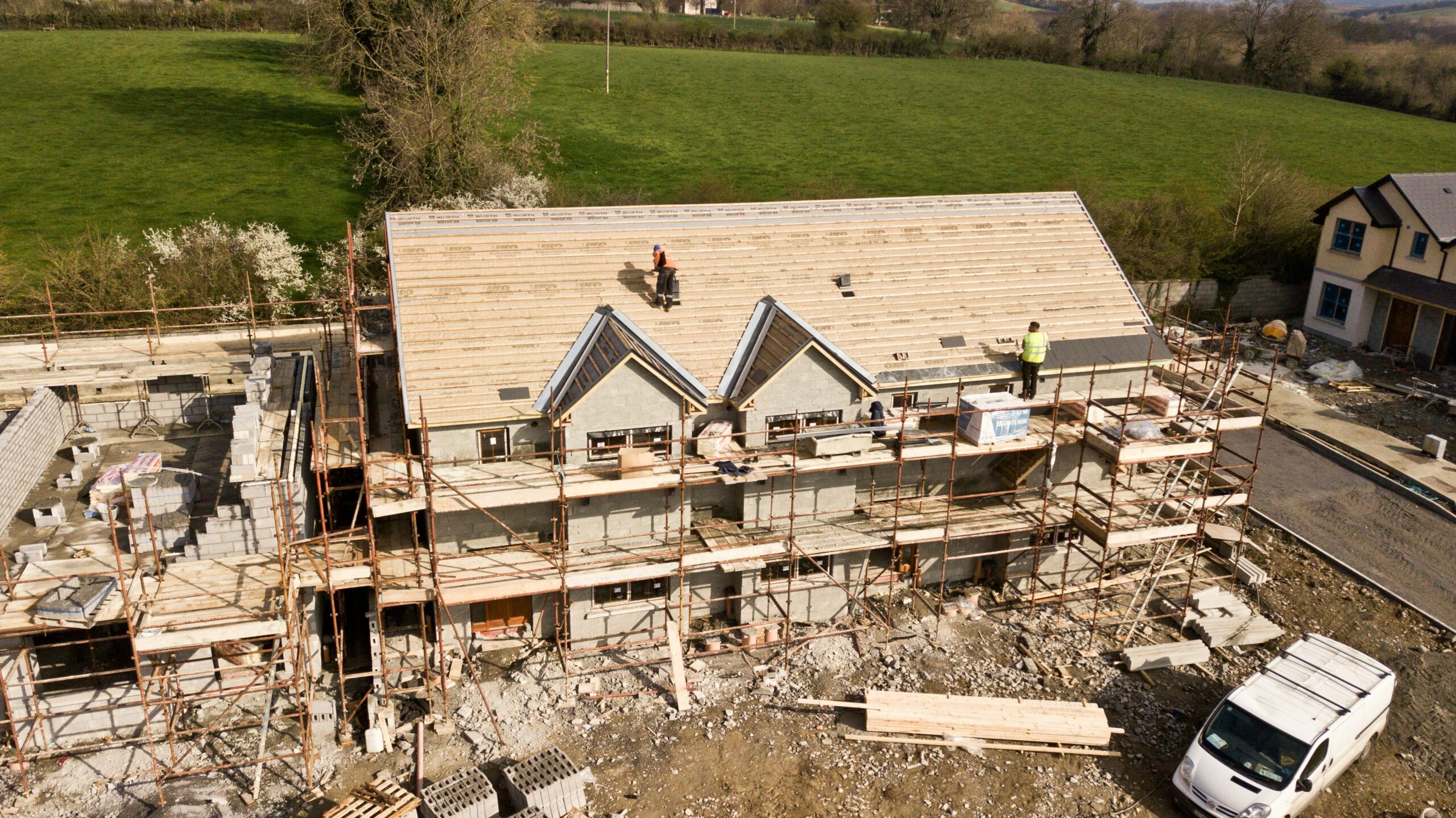
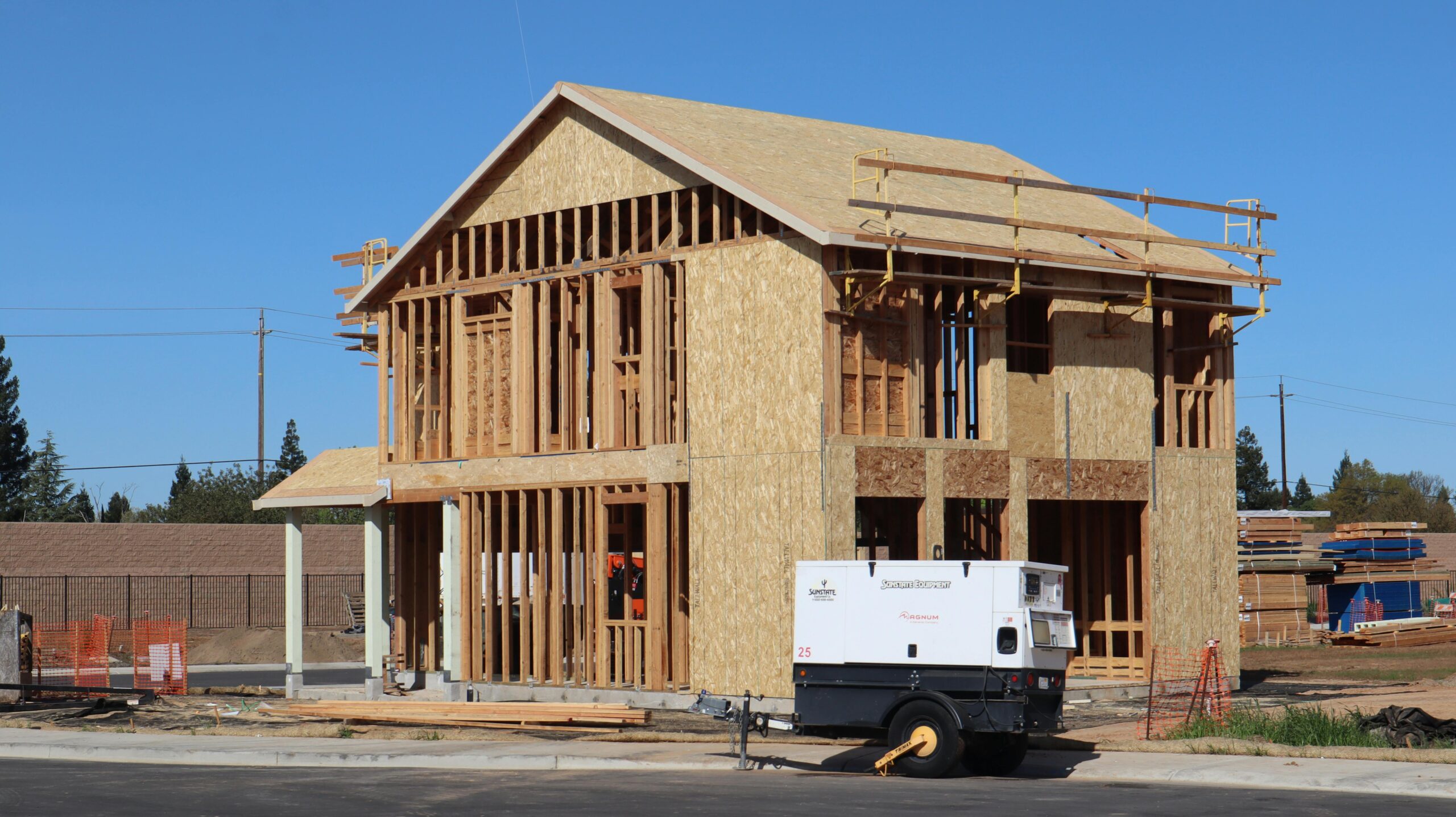
Once work begins, it can look quite steady from the outside. Brickwork goes up. Plastering continues. Concrete gets poured. It feels like things are finally moving. But if you stay there for a while, you notice something else. Work doesn’t just continue, it keeps adjusting. Measurements are rechecked. Alignments are corrected. Sometimes workers pause briefly just to confirm something before continuing. It’s not chaotic, but it’s not perfectly smooth either. It’s more like a process that keeps correcting itself while moving forward.
Small Interruptions That Change the Flow
Almost every day, some little issues interrupt the flow.
Just small things become time-consuming issues:
- A delivery arriving later than expected
- A tool not working properly
- A worker not showing up
- A minor confusion in instructions
Individually, these things don’t seem serious, but I’ve seen days where 3–4 small issues happened together and suddenly, progress slowed down a lot. That’s the tricky part. Delays don’t always come from big problems. They build quietly.
How Different Teams Depend on Each Other
One thing that becomes obvious after visiting a few sites is how connected everything is. No one really works in isolation. Masons, electricians, plumbers, all of them depend on each other’s progress. If one part slows down, the next cannot start. I remember a site where electricians were ready to begin their work, but the wall finishing wasn’t complete yet. So they just waited. It wasn’t anyone’s fault, but the delay still happened, and this kind of situation is actually quite common.
Midday Changes That No One Plans For
By the middle of the day, things often look a bit different from how they started. New instructions might come in. Some work may pause. Something else may start instead. This doesn’t mean planning was wrong, it just means reality is slightly different. From what I’ve seen, construction plans are more like guidelines. They don’t always play out exactly as expected. There’s always some level of adjustment.
The Importance of Someone Being Present
One thing I’ve noticed repeatedly, when someone responsible is present, things stay more controlled. Work is checked. Small mistakes are corrected early. Workers stay focused, but when supervision is weak or absent, things change. Not immediately, but gradually. Small errors slip through. Work continues, but without much checking. And those small errors they usually show up later.
Materials: More Than Just Delivery
People often think once materials arrive, the job is simple. But on-site, it’s not just about having materials, it’s about how they are handled. Sometimes materials are stored properly. Sometimes they’re not. I once saw a situation where materials were exposed in a way that affected their condition. At that moment, it didn’t look like a big issue. But later, it became one. This is the kind of thing that’s easy to overlook if you’re not paying attention.
The Slow Periods No One Mentions
There are also moments when nothing really happens. Work pauses. People wait. Decisions are pending. From the outside, it looks like time is being wasted. But on-site, these pauses are part of the process. Still, they affect timelines more than people expect. A few hours here, a day there, and things start shifting.
End of the Day Reality
At the end of the day, progress is visible but not always in the way people expect. Sometimes, a full day results in small visible changes. Other times, a lot gets done quickly. There’s no fixed pattern. That’s something I’ve noticed again and again, construction progress is not consistent. It depends on how the day unfolds.
Patterns That Start Becoming Obvious
After visiting different sites, certain patterns begin to repeat.
- Work rarely goes exactly as planned
- Small issues are more common than big ones
- Coordination matters more than speed
- Supervision makes a visible difference
- Rushed work usually creates future problems
These are not rare situations. They are part of the normal construction reality.
What This Means for Homeowners
If you’re building a house, this changes how you look at the process. You stop expecting perfection.
Instead, you start understanding that:
- Some delays are normal
- Small issues will happen
- Progress won’t always be consistent
And honestly, this understanding makes things less stressful. Because now, when something slows down, it doesn’t feel unexpected.
A Simple Realization
After spending time on real sites, one thing becomes very clear, construction is not just about building something. It’s about managing timing, decisions, people, and small details all at once. And when even one of those things is slightly off, the whole process feels different.
Conclusion
From the outside, construction looks simple, structured, and planned. But in reality, it’s much more dynamic. Some days move fast, others slow down. Small issues appear, get resolved, and sometimes repeat. No single moment defines the project. It’s the accumulation of many small days, some smooth, some difficult, that shape the final result. Understanding this doesn’t make construction easier. But it does make it more realistic. And that alone makes a big difference.
Disclaimer
This article is based on general observations from small residential construction sites. Actual experiences may vary depending on project type, location, and supervision.